A Comprehensive Comparison of 13Cr Steel and Super 13Cr Steel: Unraveling Performance and Reliability
Short answer: the chromium is the same in both — what super 13Cr adds is nickel and molybdenum, and what that buys is toughness in thick sections plus a NACE listing to 1.5 psi H2S. If the well is sweet, L80 13Cr is the cheaper correct answer. If there is any H2S, or the tree has to hold 15K, super 13Cr is the only 13Cr that qualifies — and it costs roughly 1.5 to 2 times as much.
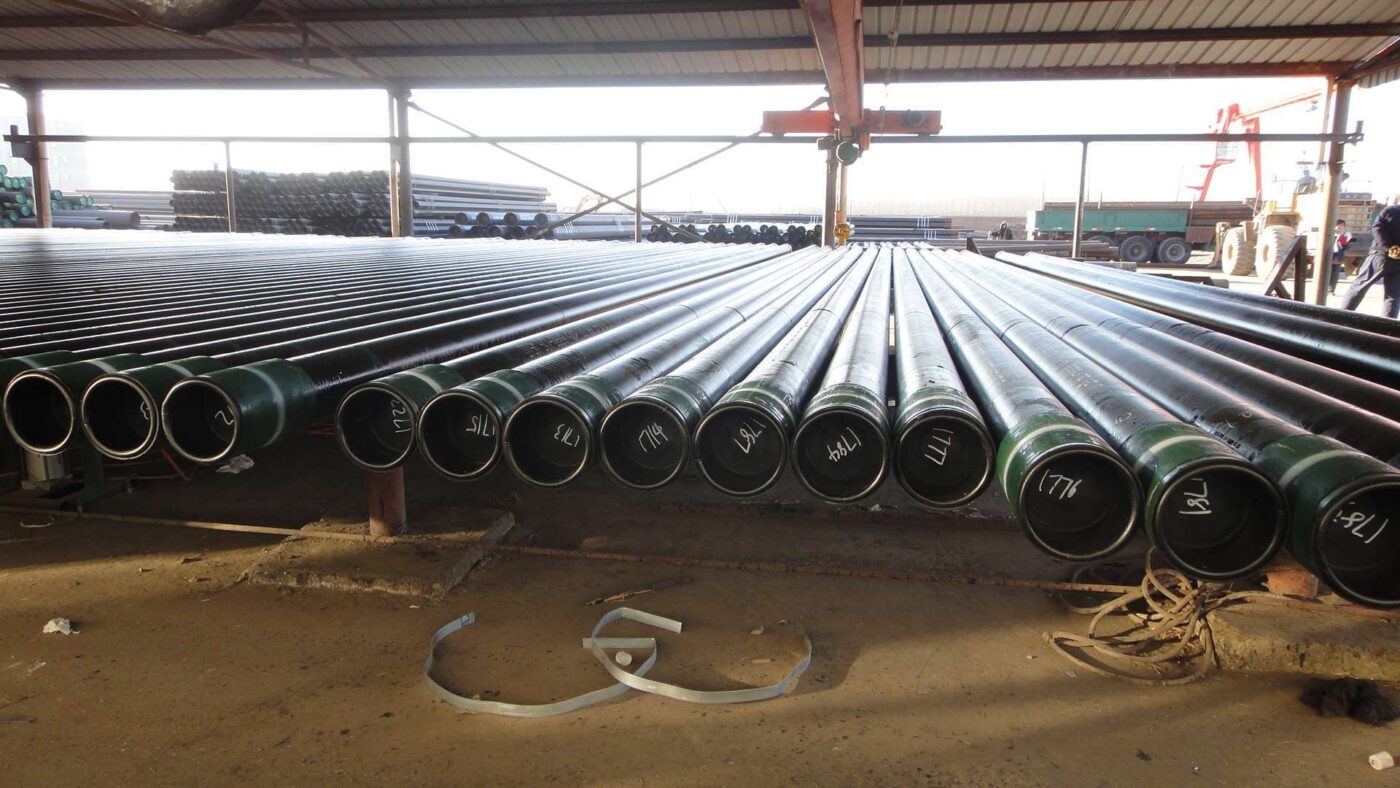
What Actually Differs
The two grades are both martensitic stainless steels with 11.5–14% chromium, quenched and double tempered. Several published comparisons claim super 13Cr has “higher chromium” and even “tungsten”. Neither is true. The chemistry difference is nickel at 4.5–6.5% and molybdenum at 1.5–3.0%; the chromium range is the same.
| Property | L80 Type 13Cr (S42000) | Super 13Cr (S41426) |
| Chromium | 12–14% | 12–14% |
| Nickel | ≤ 0.5% | 4.5–6.5% |
| Molybdenum | ≤ 0.5% | 1.5–3.0% |
| Yield condition | 80 ksi / 552 MPa | 95–110 ksi / 655–758 MPa |
| H2S limit (NACE MR0175) | Not listed — sweet service only | Table A.19, ≤ 1.5 psi at pH ≥ 3.5 |
| Toughness in thick sections | Falls away above ~50 mm | Holds to 150 mm and beyond |
| Relative tube cost | 1.0 | ≈ 1.5–2.0 |
That nickel is doing structural work rather than corrosion work. Adding 5% nickel lowers the martensite-start temperature, which slows the transformation during quenching and produces a finer martensitic structure. In a 25 mm tube the difference is academic; in a 200 mm valve body it is the difference between passing and failing an impact test. The molybdenum is the corrosion addition: it raises the pitting resistance enough to tolerate chlorides that would pit plain 13Cr at temperature.
The Four Tests That Actually Separate Them
Comparing datasheets side by side rarely settles the question, because both grades look strong on paper. What separates them in a mill qualification is four tests, and super 13Cr is the grade that passes all four in the same condition.
1. Sulphide stress cracking (NACE TM0177 Method A)
This is the test that matters most. Plain 13Cr is not listed for sour service at all; super 13Cr is listed to 1.5 psi H2S partial pressure at pH 3.5 or above. The pass/fail is set by hardness rather than by chemistry once the alloy is chosen, which is why the hardness survey below matters as much as the tensile result.
2. Critical pitting temperature (ASTM G48 Method A)
In 6% ferric chloride, L80 13Cr typically pits around 20–25 °C and super 13Cr above 40 °C. That is the number behind the “chlorides at temperature” rule of thumb, and it is why a sweet well at 120 °C with 50,000 ppm chlorides can still fail a plain 13Cr tube.
3. Hardness survey across the section
NACE limits are 23 HRC for L80 13Cr and 32 HRC for super 13Cr in the 110 ksi condition. Because hardness tracks cooling rate, a heavy section can read low at the surface and exceed the limit at mid-wall. We survey the full section on the first article and on any change of section size, not just on a separately forged coupon.
4. Impact toughness at the specified temperature
Both grades are susceptible to brittle behaviour at low temperature, and both are tested at the lowest expected service temperature rather than at room temperature. Super 13Cr’s finer structure is what keeps the absorbed energy acceptable at 110 ksi.
Deciding by Well Condition, Not by Grade Name
In practice the decision resolves on two numbers — H2S partial pressure and design pressure — and the answer is usually obvious once they are written down.
| Well condition | Correct choice | Reason |
| CO2 only, moderate pressure, < 150 °C | L80 13Cr | Cheapest compliant option; super adds cost with no benefit |
| CO2 only, high pressure or > 150 °C | Super 13Cr at 95/110 ksi | Thinner wall at the same design pressure; better pitting margin |
| Trace H2S (≤ 1.5 psi), pH ≥ 3.5 | Super 13Cr | Only 13Cr listed for sour service |
| H2S > 1.5 psi or pH < 3.5 | Duplex / 2507, or nickel alloy | Outside the 13Cr envelope entirely |
The second row is where most of the money is decided. At 10,000 psi a super 13Cr line can be specified with a thinner wall than L80 13Cr, and on a deep well the saving on steel and handling can offset a large part of the price difference — which is why the comparison has to be made on the finished string, not on the price per tonne.
Where the Cost Difference Comes From
Super 13Cr costs more for three reasons, and only one of them is the alloy itself. The nickel and molybdenum addition accounts for perhaps a third of the gap. The rest is processing: tighter chemistry control, slower cooling on heavy sections, double tempering with a verified temperature record, and a testing package that includes SSC and a full hardness survey. A mill that quotes super 13Cr at only slightly above L80 13Cr is usually quoting the chemistry without the qualification.
Availability matters as much as price. L80 13Cr tube is stocked by most OCTG distributors in common sizes; super 13Cr is made to order, with 8–14 weeks typical for a heat of pipe and longer for large forgings. For a workover with a fixed rig window that lead time is often the deciding factor, and it is worth confirming mill capacity before the specification is frozen.
What We Supply
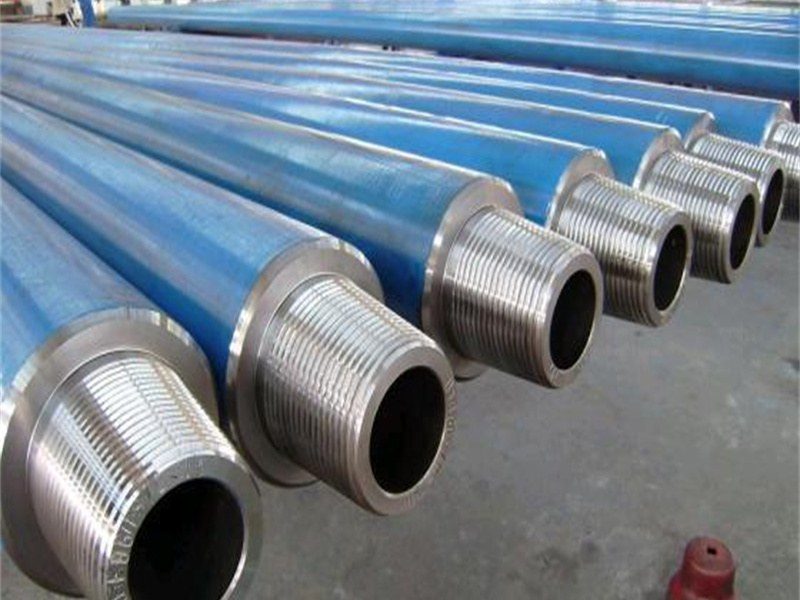
We keep the two grades separate in the quotation because they are not interchangeable in service. 13Cr OCTG pipe to API 5CT L80 and modified 13Cr tubing cover the sweet-service end; super 13Cr pipe to API 5CRA 13-5-2 and super 13Cr forged valve bodies cover the sour and high-pressure end.
If you are still deciding whether 13Cr belongs in the well at all, the companion article on 13Cr in oil fields sets out where the family starts and stops. And if H2S has already ruled 13Cr out, 2507 super duplex is the next step rather than a harder 13Cr.
Related product specifications from SHUNFU METAL: 13Cr CRA OCTG pipe · Super 13Cr forging.