What Is P550 Non-Magnetic Steel?
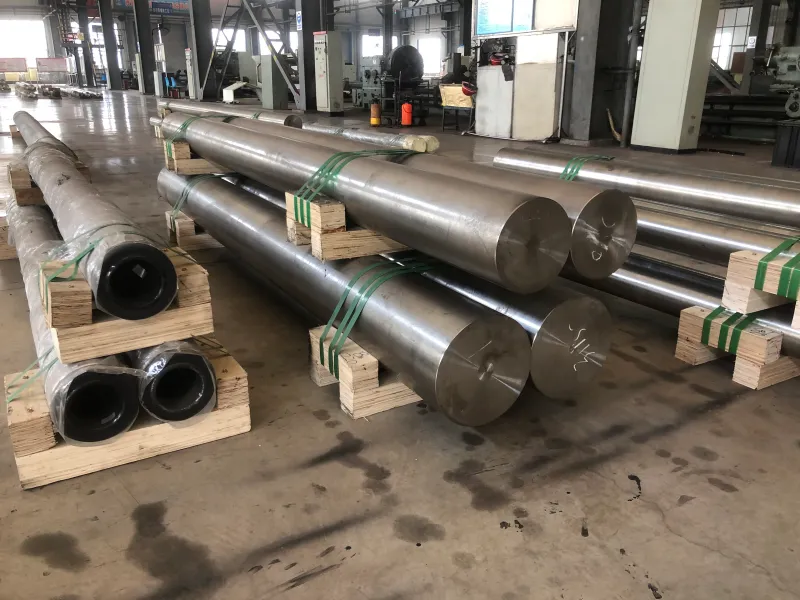
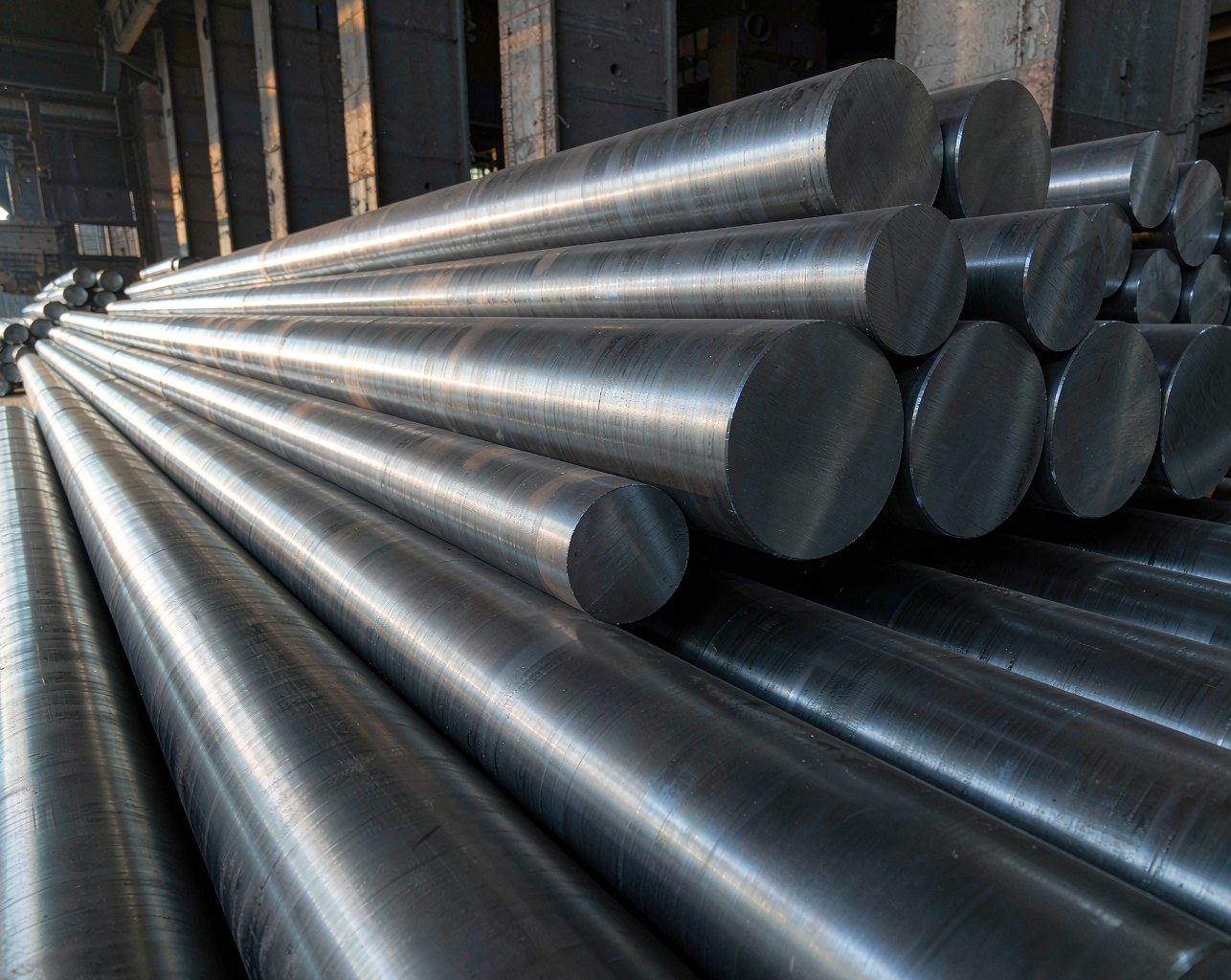
Magnetic bleed from poorly graded steel turns precise navigation into guesswork. When factoring in non-productive time, sidetracks, and potential wellbore collisions, operators quickly face seven-figure loss rates. The solution isn’t found in software patches; it is rooted in metallurgical precision. P550 non-magnetic steel is engineered to eliminate that interference entirely, providing the structural backbone your bottom hole assembly requires.
Core Metallurgical Properties
Low Permeability & Magnetic Isolation
Contrary to common belief, “non-magnetic” does not imply absolute zero magnetism. It means the material actively resists channeling external magnetic flux into sensitive downhole tools. The industry standard enforces a strict permeability threshold of μ ≤ 1.005. P550 is precision-forged just beneath this limit. Think of its crystalline lattice as a structural Faraday cage: magnetic noise simply bypasses the component. While extreme temperature shifts can slightly alter permeability, controlled austenitic stabilization maintains a flat performance curve across standard downhole ranges.
≥550MPa Yield Strength Without Brittleness
Historical grades often sacrificed tensile performance to chase lower μ values, leaving drill strings highly susceptible to fatigue fractures under cyclic loading. P550 resolves this trade-off by locking in a minimum yield strength of 550MPa while retaining exceptional Charpy V-notch impact toughness at sub-zero temperatures. Compared to 316L stainless or conventional carbon collars, it reliably survives high-torque rotary steerable operations without permanent deformation or micro-cracking.
| Parameter | Minimum Requirement | Verification Standard |
|---|---|---|
| Yield Strength (Rp0.2) | ≥ 550 MPa | ASTM E8 / E8M |
| Ultimate Tensile Strength | ≥ 690 MPa | ASTM E8 / E8M |
| Magnetic Permeability (μ) | ≤ 1.005 | ASTM A342 / IEC 60404-15 |
| Charpy V-Notch Impact (-46°C) | ≥ 54 J | ASTM E23 |
Why Rig Crews & Offshore Operators Rely on P550
The Structural Shield for MWD/LWD Systems
Downhole telemetry instruments operate on microelectronics that become highly unstable when exposed to stray magnetic flux. By isolating Hall sensors and triaxial magnetometers from surrounding ferrous components, P550 eliminates azimuth and inclination signal drift. You stop compensating for phantom toolface bias, which is critical when navigating narrow geological windows between salt domes and active fault lines. Explore the full SHUNFU METAL non-magnetic drill collar range to find exact dimensional matches for your telemetry modules.
Deepwater Duty & Corrosion Resistance
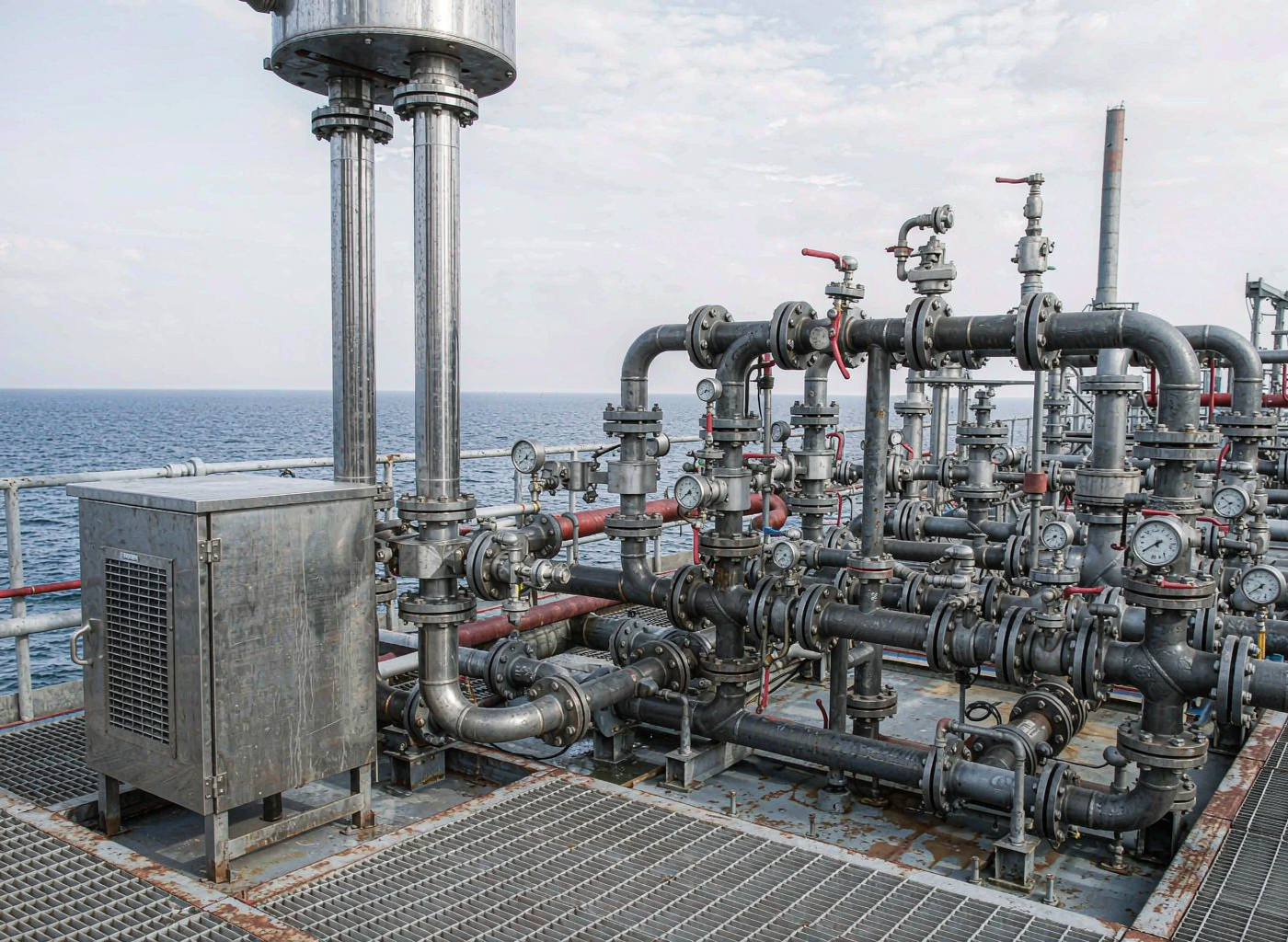
Offshore and deepwater environments aggressively test material longevity. Seawater exposure combined with dissolved H₂S and CO₂ frequently triggers stress corrosion cracking in martensitic alloys. The stabilized austenitic matrix in P550 resists chloride penetration far more effectively, extending run intervals and significantly lowering rig day-rate expenditures. It interfaces seamlessly with standard API-compliant drill pipe connections for rapid, leak-proof BHA assembly.
Precision Machinery & Cryogenic Infrastructure
Beyond hydrocarbon extraction, these low-interference characteristics make P550 ideal for structural housings around superconducting magnets, aerospace calibration rigs, and sensitive strain-gauge test platforms. Wherever ferrous contamination ruins instrument calibration, P550 provides a viable, high-strength structural alternative.
How to Source Certified P550 Without Risk
Documentation That Survives Rig Audits
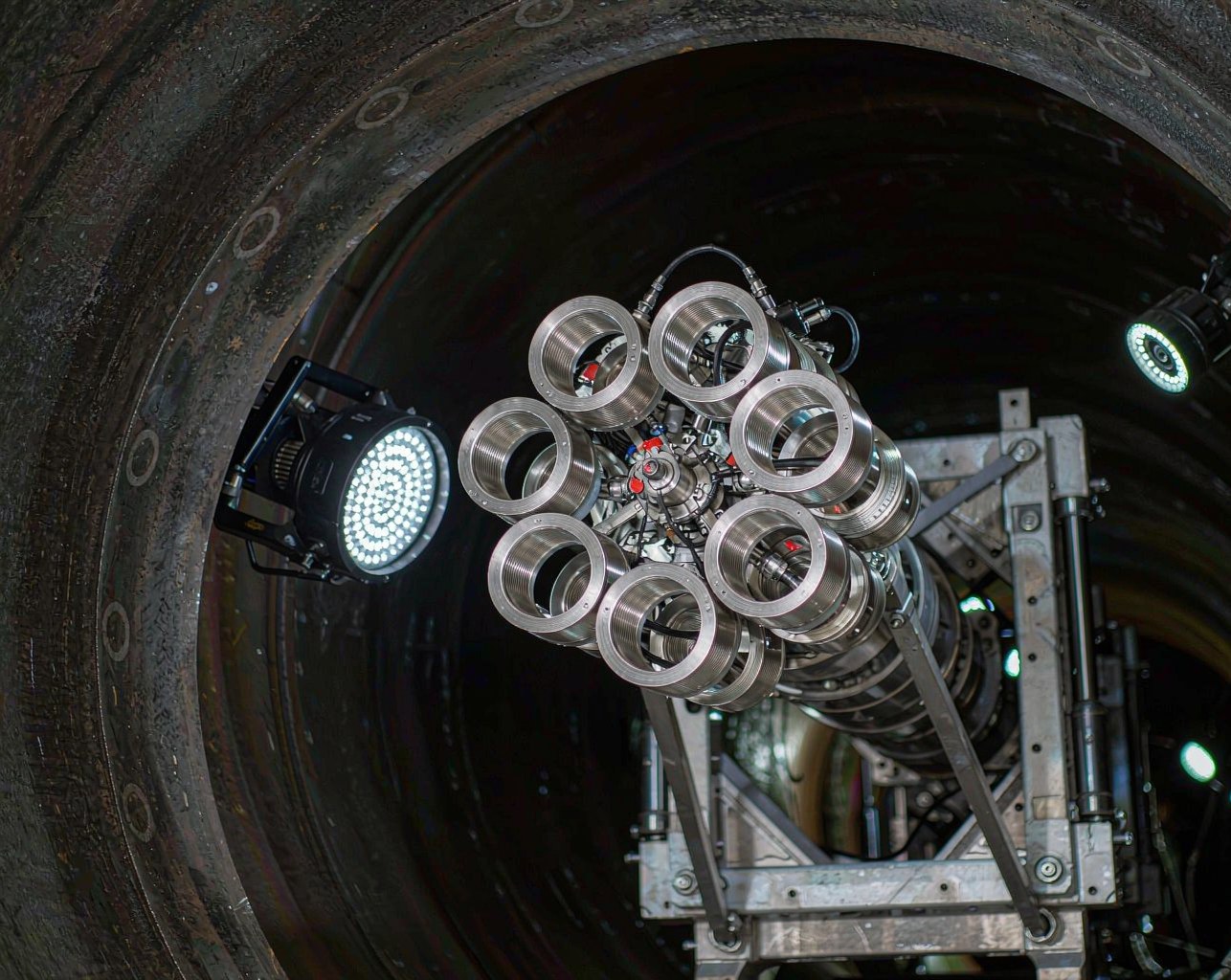
Parameter inflation is a documented industry risk. Accept only a verifiable EN 10204 3.1 mill certificate before shipment. Require PMI spectroscopy on every heat number, alongside mandatory NDT reporting: magnetic particle inspection, liquid penetrant testing, and ultrasonic flaw detection. At our SHUNFU METAL certified manufacturing facility, every heat undergoes third-party dimensional logging, hardness mapping, and full chemical verification against ASTM benchmarks. If a supplier hesitates on transparency, the risk profile is unacceptable.
Heat Treatment & Machining Realities
Chemistry dictates potential; thermal processing determines reality. P550 requires precise solution annealing temperatures followed by rapid controlled quenching to lock the austenitic phase. Aging must be strictly regulated to push yield strength past 550MPa without precipitating chromium carbides at grain boundaries. Verify thermal soak logs against the mill’s published process sheet. Post-rough turning, mandate a minimum ten-day window for secondary ultrasonic scanning to detect micro-cracks before they propagate under downhole pressures exceeding 30,000 psi. Build tolerance buffers per API 7-1 guidelines; rush orders fracture supply chains and bypass final permeability verification.
Quickfire Engineering & Procurement Q&A
Can P550 be welded in the field, and what filler do I match?
Direct answer: Yes, field welding is feasible when strictly controlled. Use matching austenitic fillers, maintain low heat input, and enforce interpass temperatures below 250°C. Post-weld magnetic permeability verification is non-negotiable to prevent localized martensite formation in the heat-affected zone.
How does the cost compare to traditional high-manganese austenitic steels?
Direct answer: P550 carries a slightly higher initial procurement cost but delivers superior fatigue life and predictable yield consistency. High-manganese alternatives suffer from rapid work-hardening and magnetic creep under cyclic stress. P550’s reliability typically cuts replacement expenditures by roughly 30% across a three-year BHA lifecycle.
Does it retain low magnetism below -46°C?
Direct answer: Absolutely. The thermodynamically stabilized austenite structure prevents martensitic transformation down to cryogenic thresholds. Yield strength actually increases marginally while magnetic permeability remains securely locked under 1.005, making it ideal for arctic drilling campaigns and LNG subsea manifold construction.
Secure Trajectory Accuracy From Spud to Total Depth
Selecting the correct P550 specification eliminates survey drift, extends tooling longevity, and completely bypasses unscheduled pulling operations. Metallurgy should never be a variable when your trajectory budget is active. We provide complete magnetic permeability datasets alongside redacted third-party mill test reports. Contact our materials engineering division for a tiered quote or a technical consultation aligned with your specific torque and mud-weight thresholds. The alloy you deploy downhole determines operational success.