In the oil and gas production chain, wellhead equipment and Christmas trees are critical devices connecting underground reservoirs to surface production systems. Often referred to as the “throat” of an oil or gas well, they must withstand extreme conditions like high pressure and high temperature. Meanwhile, they precisely control fluid flow and ensure production safety. Today, we will explore these “steel guardians” of the oilfield.
1. Wellhead Equipment: The Foundation of Oil and Gas Wells
Wellhead equipment is the core assembly installed at the surface of an oil or gas well. It mainly consists of casing heads, tubing heads, and hangers. Its strict technical requirements form the basis for safe drilling, completion, and production operations.
Strict Technical Standards: From Steel to Bore Size
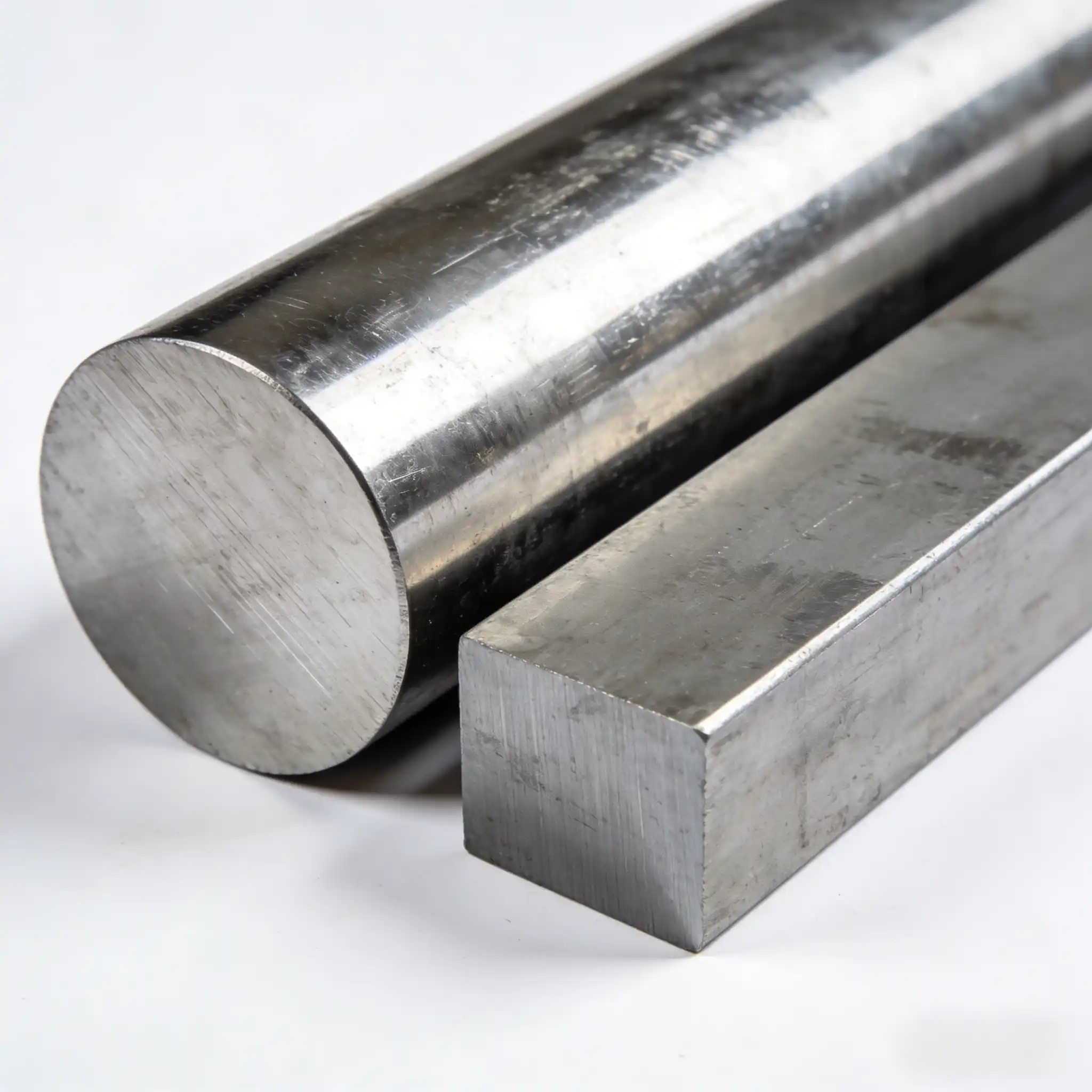
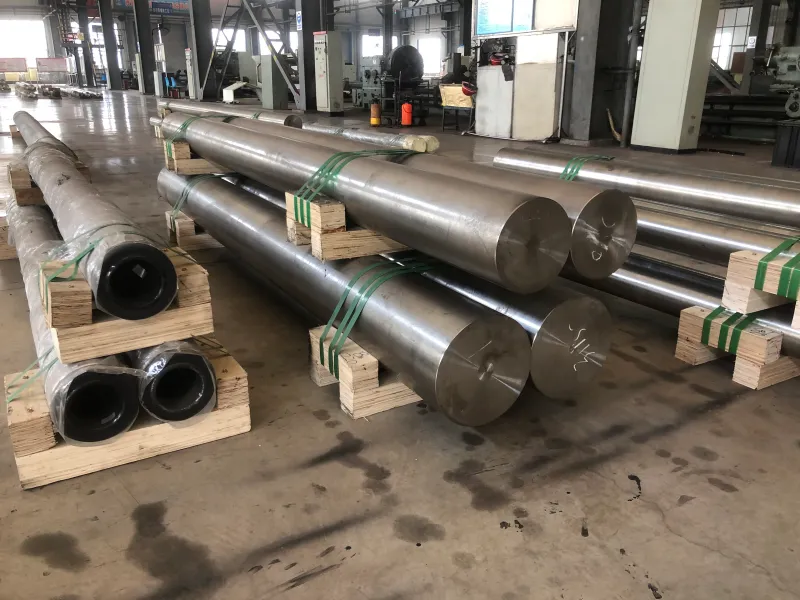
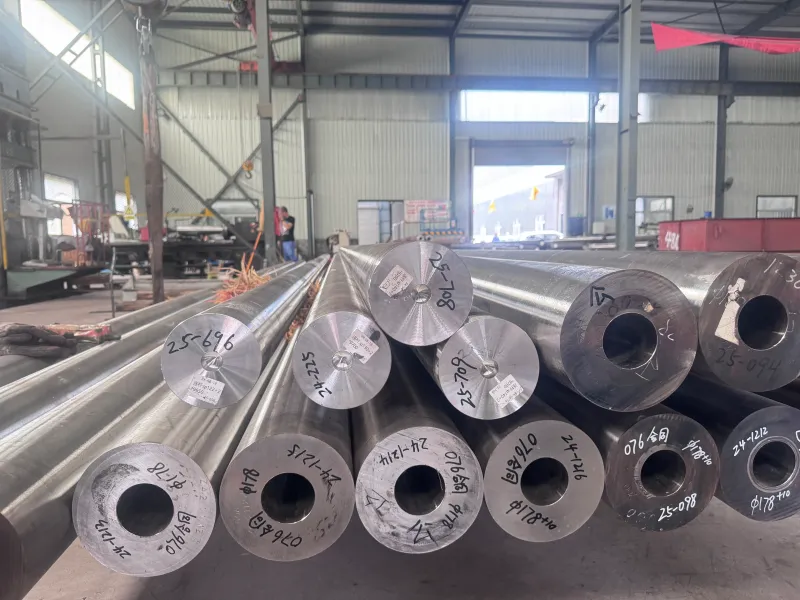
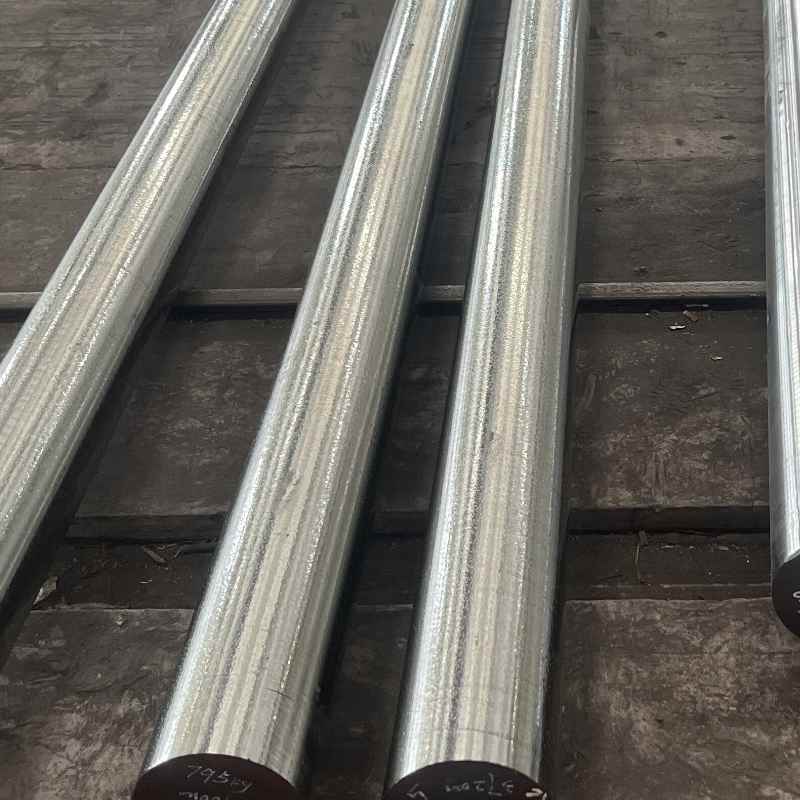
The main body and accessories of wellhead equipment are mostly made of steel. Their performance must meet various indicators, including tensile strength, yield strength, and elongation. For instance, according to API standards, steel is divided into four classes. Class 1 steel has a minimum tensile strength of 70,000 psi (483 MPa), while Class 3 steel reaches up to 100,000 psi (690 MPa). This allows them to adapt to the pressure requirements of different well conditions.
Rated working pressure is a core parameter of wellhead equipment. It refers to the maximum operating pressure during equipment operation, ranging from 2,000 psi to 20,000 psi. During use, overpressure must be strictly avoided; otherwise, it may cause leaks or even explosions.
Material selection must be based on operating conditions. For general conditions (like AA and BB classes), carbon steel or low-alloy steel (such as ASTM A487, roughly equivalent to Chinese 20# or Q345B, though specific mechanical properties vary) can be used. However, for sour conditions (like DD and EE classes), corrosion-resistant alloys are required. These must comply with the NACE MR0175 standard to prevent corrosion from hydrogen sulfide and chlorides.
The vertical bore is another key indicator. It refers to the minimum vertical hole diameter through which tools or downhole equipment can pass. API requires the vertical bore of the wellhead body to be 0.8 mm (1/32 in) larger than the casing drift diameter. This ensures the smooth passage of downhole tools. For example, a 7-1/16 in wellhead equipment at 20,000 psi has a minimum vertical bore of 5.83 in, matching a 38 lb/ft casing.
Core Components: Guardians with Specific Roles
- Casing Head: Connects the upper end of the casing string. It supports the next smaller casing layer through a casing hanger and seals the annular space. In offshore oilfields, multi-layer casing designs are common. The lowest casing head is installed on top of the conductor pipe, connecting upward to intermediate casing heads and tubing heads, forming multi-layer protection.
- Tubing Head: Installed above the uppermost casing head. It consists of a tubing hanger and a body, used to suspend the tubing string and seal the annulus between the tubing and production casing. Its pressure rating ranges from 1,000 psi to 20,000 psi and must match the rated pressure of the tubing hanger.
- Hangers: Divided into casing hangers and tubing hangers. They bear the weight of the casing and tubing strings, respectively, while providing a seal. For example, a tubing hanger must reserve a cable passage for electrical submersible pump (ESP) wells and provide hydraulic control line interfaces for downhole safety valves.
2. Christmas Trees: The Control Center of Oil and Gas Production
A Christmas tree consists of valves, chokes, and flanges. It is a key device for controlling oil and gas production and ensuring workover operations, often called the “control panel” of an oil or gas well.
Classification and Structure: Adapting to Diverse Production Needs
Based on structure, Christmas trees are divided into split and solid block types. Split types are assembled from independent valves, suitable for onshore oilfields. Solid block types integrate main valves and safety valves into one unit. They are compact and high-pressure resistant, making them the preferred choice for offshore platforms.
Based on production methods, they can be categorized into dedicated trees for flowing wells, ESP wells, and gas lift wells. For instance, an ESP well Christmas tree requires a cable inlet, while a gas well tree needs a high-pressure and low-temperature resistant design.
Single-tubing Christmas trees are suitable for single-zone production, available in single-wing and dual-wing configurations. Dual-tubing Christmas trees can produce from two zones simultaneously. They achieve zonal control through dual-string packers, improving production efficiency.
Key Components: Tools for Precise Control
- Gate Valves and Plug Valves: The “switches” controlling fluid flow. Gate valves open and close through the vertical movement of a gate, while plug valves control flow through the rotation of a plug. Both must match the pressure rating of the Christmas tree.
- Chokes: The core components for flow control, divided into fixed and adjustable types. Fixed chokes throttle flow by replacing parts with different hole sizes. Adjustable chokes change the flow area through external control, with hole sizes increasing in increments of 0.4 mm (1/64 in), allowing precise production adjustment.
- API Flanges and Ring Gaskets: Used to connect pressure-bearing components. Common types are 6B and 6BX flanges. Ring gaskets are crucial for sealing. R and RX types are interchangeable in 6B flanges, while BX types are exclusively for 6BX flanges and cannot be reused, ensuring reliable sealing.
3. Safety and Corrosion Protection: Double Insurance for Long-Term Operation
Oil and gas production environments are complex. High pressure, corrosive media, and marine atmospheres threaten equipment safety. Therefore, safety control and corrosion protection measures are vital.
Safety Control Equipment: The Defense Line for Automatic Shut-In
- Surface Safety Valve (SSV): Mostly piston-type reverse gate valves. Under normal conditions, they open via pneumatic or hydraulic pressure. During emergencies, springs reset to close them, preventing leaks.
- Subsurface Safety Valve (SSSV): Installed 20 meters below the seabed mudline, controlled hydraulically from the surface. They automatically close during fires or pipeline ruptures. Types include wireline-retrievable and tubing-retrievable. Velocity-type safety valves automatically shut in when fluid velocity exceeds limits, acting as secondary protection.
Corrosion Protection Technology: Shields for Extending Lifespan
Internal corrosion is mainly caused by carbon dioxide and hydrogen sulfide. It can be addressed by injecting inhibitors or using corrosion-resistant materials like stainless steel (such as AISI 304, equivalent to Chinese 0Cr18Ni9) or Monel alloys. External corrosion results from oxygen and electrochemical action. It is prevented using coatings, cathodic protection, or avoiding contact between dissimilar metals. For example, offshore platform Christmas trees often use cathodic protection, slowing electrochemical corrosion through sacrificial anodes.
4. Selection and Operation: Guidelines for Scientific Management
The selection of a Christmas tree requires considering well type, geological conditions, and temperature. For instance, gas wells need high-pressure resistance, while water injection wells require strong corrosion protection. Offshore platforms prioritize solid block Christmas trees to save space and facilitate operation.
During installation, sealing surfaces must be strictly cleaned, and pressure tests conducted to ensure no leaks. Operations must follow opening and closing procedures. During downhole work, safety valves must be locked to prevent misoperation. For example, before opening a well, flow path clearance must be checked. When closing, wing valves, safety valves, and main valves are closed sequentially to ensure safety.
Wellhead equipment and Christmas trees are the “lifelines” of oil and gas production. Their technical performance directly impacts production efficiency and safety. As complex reservoirs like deep-sea and shale gas are developed, these “steel guardians” will continuously upgrade, providing stronger guarantees for energy security.
For more details on equipment specifications, feel free to visit our contact page. You can also read more about related industry standards on Wikipedia.