Why Swapping 4130 for 4140 Steel Costs You More Than You Think
Last winter, a service company in the Permian Basin burned through 38 hours of rig downtime. The culprit wasn’t a mud motor failure or a telemetry glitch. It was a structural crossbeam on a pressure-control skid. Procurement had swapped the original spec from 4130 to 4140 to capture more yield strength. The field welder ran a standard SMAW pass without preheat. The heat-affected zone cracked before the bead cooled. That 0.10 percent carbon gap turned a straightforward fabrication job into a logistics nightmare.
I have reviewed too many material certs where this exact substitution hides in plain sight. Both alloys belong to the chromoly family. They share nearly identical chromium and molybdenum ranges. Yet treating them as interchangeable shortcuts only survive until the first load test. Here is what actually matters when you specify these grades for downhole or heavy-duty equipment.
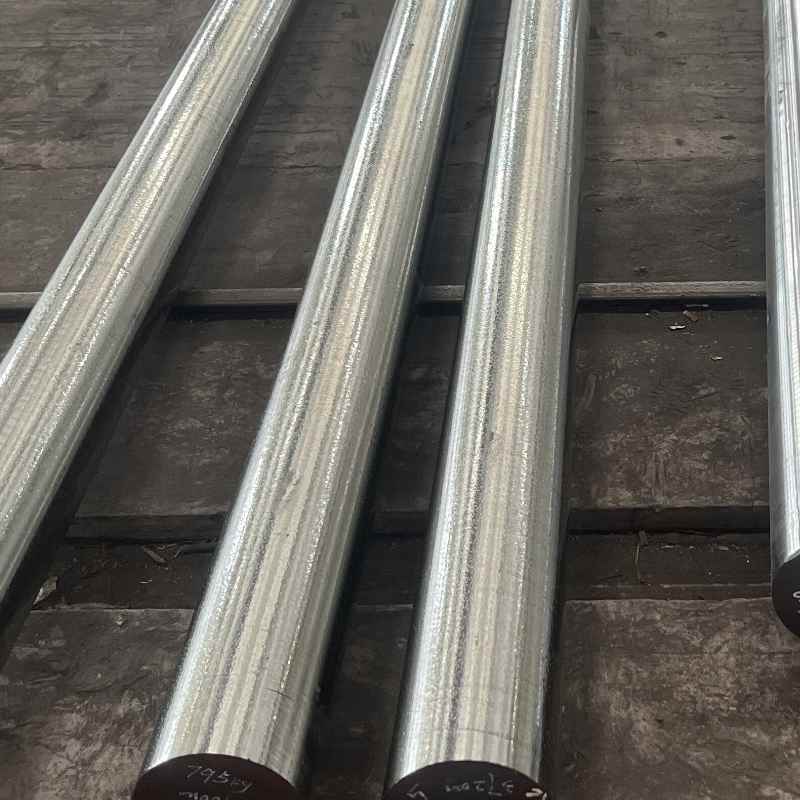
The 0.10 Percent Carbon Trap
On paper, the chemistry difference between 4130 and 4140 steel looks trivial. 4130 carries 0.28 to 0.33 percent carbon. 4140 sits at 0.38 to 0.43 percent. In alloy metallurgy, that tenth of a percent dictates Hardenability and temper response. Carbon controls how aggressively martensite forms during the quench. It also dictates how much retained austenite survives the cooling cycle.
Chromium and molybdenum do the baseline work in both grades. Chromium pushes surface hardness back against corrosive brine environments. Molybdenum pins dislocations at elevated temperatures and improves core toughness. 4140 simply has more carbon to lock into the ferrite lattice. The trade-off is predictable. You gain tensile strength and fatigue resistance. You lose ductility if your quench rate runs too fast or your temper temperature drops below 1100°F.
Weldability and the HAZ Tax
4130 forgives poor welding habits. I have watched crews run root and cap passes on 4130 hollow bars without induction heating. The puddle stays fluid. Hydrogen-induced cracking rarely shows up on ultrasonic scans. That behavior keeps it as the default for tool joints, modular skid frames, and any component that sees repeated impact cycles.
4140 demands a strict thermal budget. It welds cleanly, but you must pay the preheat and post-weld hold tax. I specify 400 to 600°F preheat for anything thicker than one inch. If your geometry creates restraint and you skip it, the HAZ becomes a magnet for cold cracks. On a windy pad with ambient temps near freezing, 4140 will punish rushed procedures. You also need to verify the filler metal dilution matches the base alloy, or your interpass temperature management falls apart.
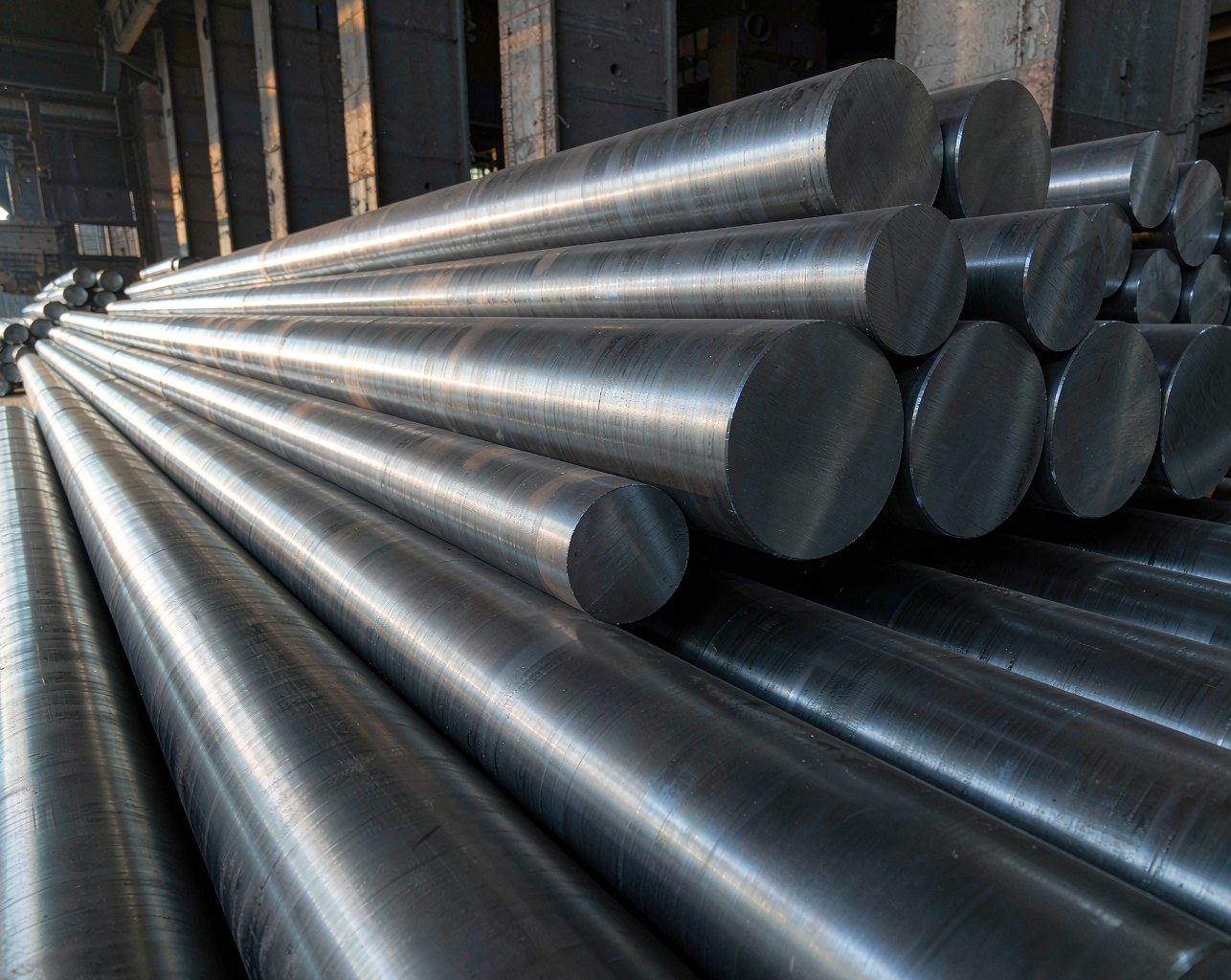
Where 4140 earns its keep is in pure load-bearing zones. Heavy axle shafts, top-drive mandrels, and high-stress gear teeth. Once quenched and tempered, you can reliably push AISI 4140 L80 alloy steel bars past 100 ksi yield strength. 4130 tops out lower because it trades raw hardness for consistent impact energy at low temperatures. When a component gets torqued past its elastic limit, you want 4130 to stretch before it fractures. 4140 tends to fail abruptly if driven into the plastic range without adequate section thickness.
Machining Reality and Quench Response
Running both grades on a CNC is straightforward until you change the hardness band. 4130 in the normalized state machines predictably. Chips break into clean C-shapes. Tool wear stays linear. You can push higher surface feet per minute without burning the insert.
4140 fights back. The deeper hardenability and higher carbon content make the material abrasive. You will drop feed rates by 20 to 30 percent to maintain tool life. Cutting fluid volume needs an immediate bump. I have seen shops assume identical cycle times for both alloys and bleed their margin before the third shift. The tooling cost alone often wipes out the price difference on the raw bar.
Heat treatment separates competent suppliers from careless ones. Both grades accept oil quench, but their mass response diverges. 4130 stays dimensionally stable through tempering at 1050°F. 4140 on larger diameters often requires polymer quench to hit target core hardness, which immediately raises distortion and scaling risks. You must build grinding allowance into your turning operations. I have rejected batches of hollow bars because the mill rushed the soak time to hit a shipping window. The Rockwell readings looked perfect. The Charpy V-notch values at 20°F failed.
Matching the Steel to the Load Path
I never recommend one grade across the board. I match the microstructure to the stress vector. Use this as your baseline when you draft requisitions:
| Metric | AISI 4130 | AISI 4140 |
|---|---|---|
| Carbon Range | 0.28–0.33% | 0.38–0.43% |
| As-Welded Behavior | Low preheat required. High HAZ crack resistance. | Requires 400–600°F preheat. Cold crack risk if thermal budget is skipped. |
| Max Practical Yield (Q&T) | ~75–85 ksi | ~100–115 ksi |
| Machining Profile | Predictable chip break. Extended tool life. | Abrasive. Requires reduced SFM and higher coolant flow. |
| Typical Heavy Use | Tool subs, drill pipe structural brackets, hollow bars, roll cages. | Top-drive shafts, heavy-duty gears, stabilizer mandrels, high-stress axles. |
The decision rarely comes down to catalog tensile values. It comes down to what happens after the steel leaves the furnace. Will your fabrication bay lack environmental controls? Does your inspection protocol require -30°F impact testing? Are you ordering hot-rolled rounds or precision cold-drawn hollow bar? Each variable shifts the final grain structure and your allowable safety factors.
Quality Assurance & Material Traceability
At SHUNFU METAL, we run these alloys under API Q1 and ISO 9001 audit trails because I have seen procurement teams chase the lowest PO number. They buy 4140 that looks perfect on the mill test report. The macro-etch reveals centerline segregation. The NDT report lights up with non-metallic inclusions. Cheap steel saves three percent on signing day. It costs forty percent when a stabilizer body cracks at 7,000 feet. Our export network spans 52+ countries, ensuring that every heat number, chemical breakdown, and mechanical property is fully traceable before the material ships.
If you require components that strictly adhere to international standards, explore our AISI 4130 75K PX alloy steel bars engineered for reliable field fabrication and impact-tested low-temperature performance.
Stop Copying the Last Project’s Spec
Review your WPS before you finalize the BOM. Verify your machining tolerances against the expected quenched diameter. If you are sizing a high-torque mandrel, pull the 4140 heat treat logs and check the exact austenitizing hold. If you are building a skid that needs field assembly in high humidity, stick to 4130 and skip the post-weld bake.
I review material certificates, hardenability curves, and quench temper logs for hollow bars and heavy machining blanks daily. If you are finalizing a spec and need to cross-reference the exact ASTM hardening bands or impact energy requirements before you issue the RFQ, submit your technical package to our engineering team at info@shunfusteel.com. You will get a direct metallurgical response, not a generic quote.