What Is P650 Non-Magnetic Steel?
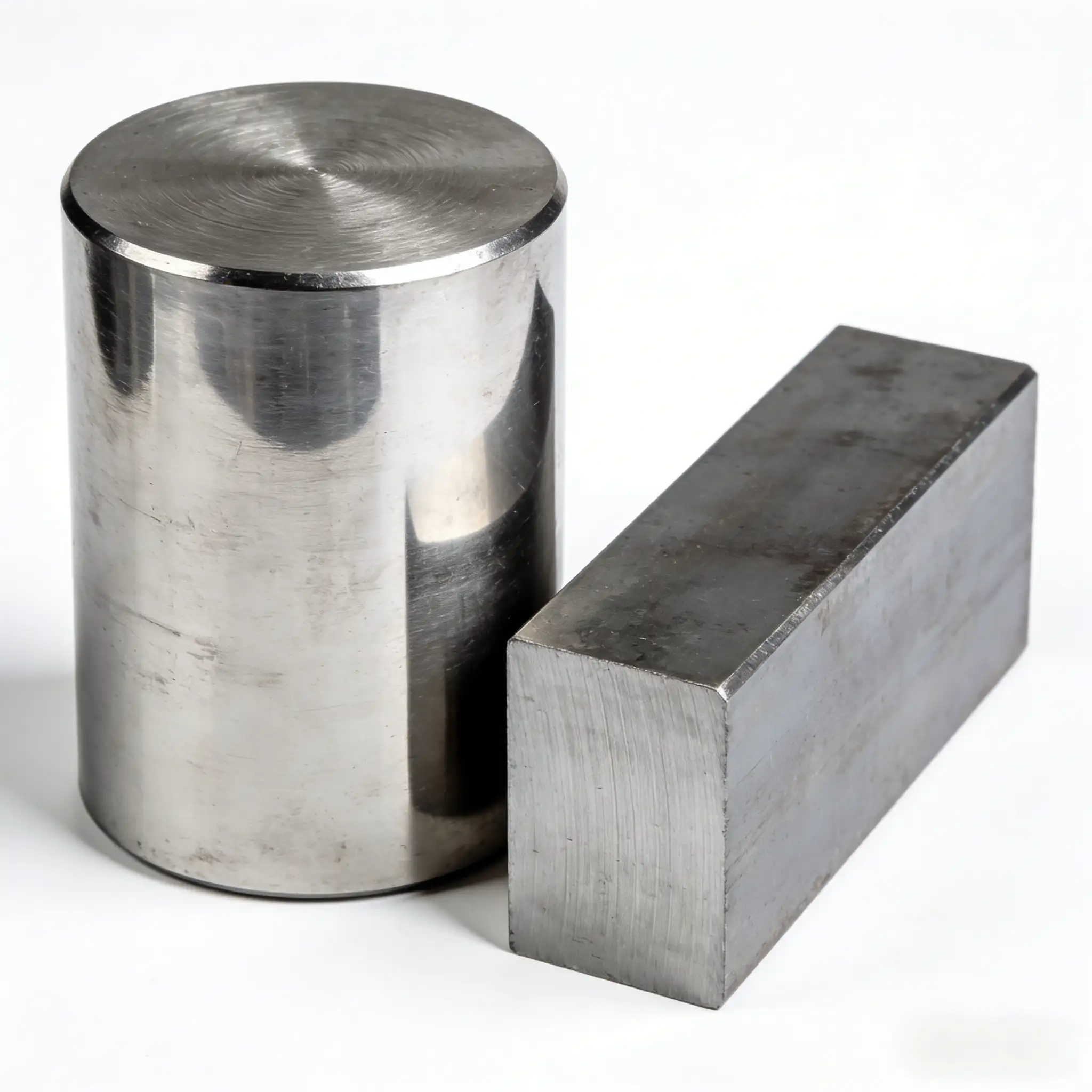
Magnetic interference doesn’t just skew a survey reading. It burns rig time. Directional drillers frequently pull out of hole and rerun a bottomhole assembly because a standard alloy collar pulls the MWD compass off target. That represents six figures in non-productive time, often traced back to unverified material permeability. P650 non-magnetic steel was engineered from the metallurgy up to sit precisely at the intersection of magnetic transparency and structural integrity.
For comprehensive metallurgical data, review our P650 non-magnetic steel technical datasheet before finalizing your material specification.
Engineering Low Permeability Without Sacrificing Toughness
Yield Strength & Tensile Benchmarks
The grade designation is explicit: “P” indicates downhole tooling specialization, and “650” locks the minimum yield strength at approximately 650 MPa. This places it firmly in the mid-to-high tier for API-compliant drill collar materials. Tensile strength typically ranges from 800–850 MPa, with elongation hovering at 18–22%. These values are deliberately calibrated to withstand brutal axial loading and torsional shock while retaining the ductility needed to survive bit whirl.
Key Metallurgical Characteristics
- Austenitic Matrix
- A stabilized face-centered cubic structure achieved through precise manganese, nitrogen, copper, and chromium additions. This effectively suppresses ferritic phases and drops relative permeability near 1.00.
- Solution Annealing Control
- Strict thermal cycling during billet processing prevents grain coarsening and residual martensite formation, ensuring downhole sensors remain unaffected.
- Nitrogen Alloying
- Refines grain boundaries and elevates pitting corrosion resistance beyond traditional low-alloy alternatives.
Top Real-World Applications & Industry Use Cases
When evaluating MWD/LWD infrastructure, P650 has transitioned from niche curiosity to baseline specification. It is deployed wherever components must house sensitive electronics or endure high-stress, high-torque environments.
| Sector | Component Type | Critical Performance Requirement |
|---|---|---|
| Directional Drilling | MWD/LWD Drill Collars & Floats | Magnetic permeability ≤1.003 for accurate azimuth, gamma & resistivity logging |
| Subsea Infrastructure | Valve Actuators & ROV Housings | Hydrostatic pressure resistance & galvanic isolation from titanium/duplex fittings |
| Marine Survey | Seismic Arrays & Telemetry Enclosures | Permeability stability across thermal gradients to prevent sensor recalibration drift |
How to Evaluate & Source High-Quality P650 Steel
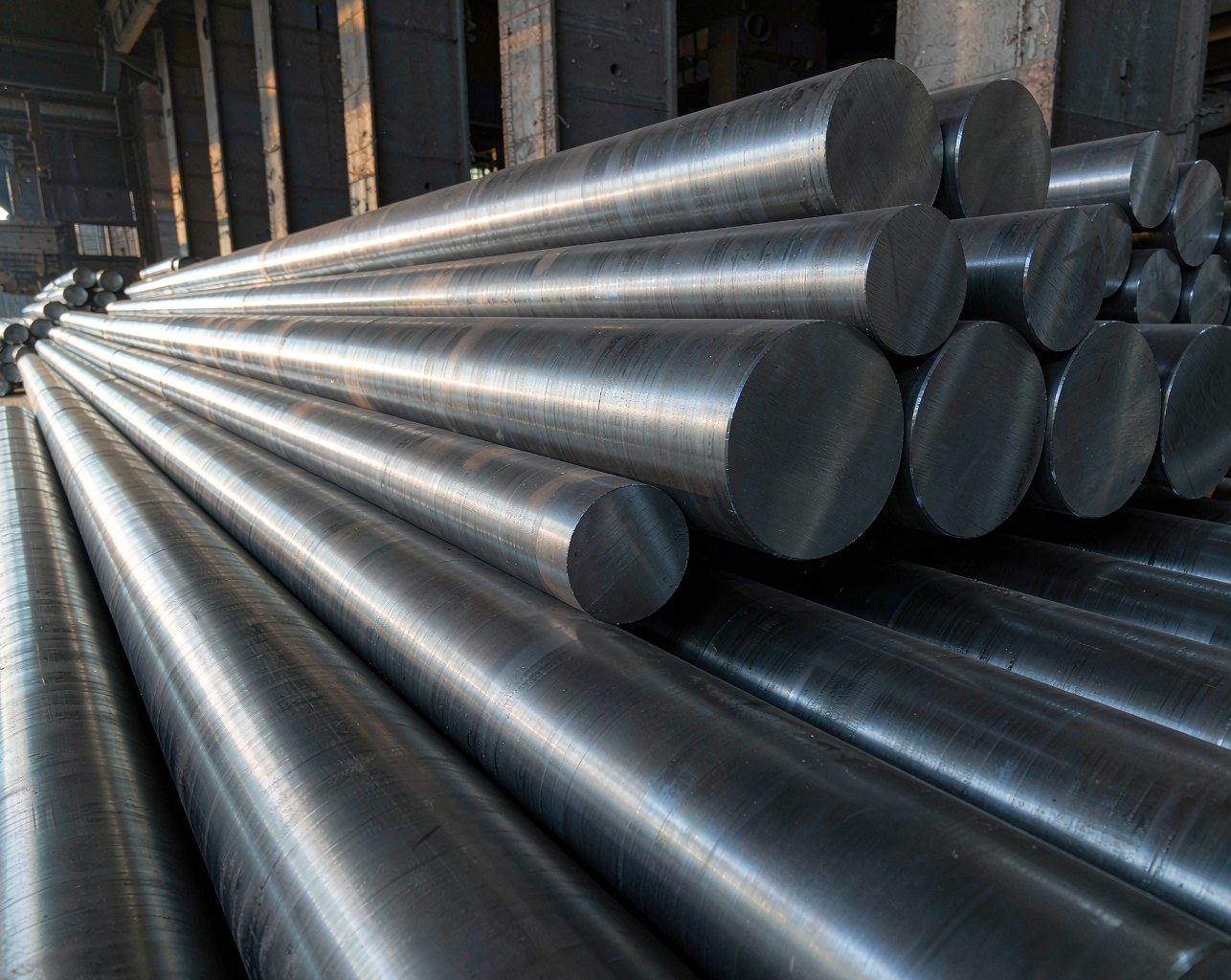
Procurement in this sector demands forensic verification. Every heat requires a certified Mill Test Certificate that directly correlates chemical composition to mechanical test results. Compliance with API Spec 7-1 and international drill collar standards is non-negotiable. The documentation must explicitly verify carbon, manganese, nitrogen, and chromium bands alongside Charpy V-notch impact data and ultrasonic inspection reports.
Sourcing certified offshore-grade non-magnetic materials requires partnering with manufacturers who prioritize traceability over convenience. SHUNFU METAL operates under dual API Q1 and ISO 9001 quality management systems, enforcing mandatory heat-by-heat permeability screening across all non-magnetic billet production. This engineered consistency eliminates the guesswork often associated with legacy alloy suppliers.
4 Critical Procurement Verification Steps
- Request full heat traceability matching chemical and mechanical reports for every cut length delivered.
- Confirm the mill’s standardized solution annealing temperature and controlled cooling rate protocols.
- Verify that lot-level magnetic permeability testing is completed and documented prior to shipment.
- Validate the lead time from verified PO to FCA, ensuring third-party MTCs are included with the freight manifest.
Always cross-reference our comprehensive non-magnetic steel portfolio against your exact permeability and load thresholds. Partner with suppliers who measure performance rather than assume it.
Frequently Asked Questions
Is P650 completely non-magnetic or low-permeability?
Technically, it is classified as low-permeability. Absolute zero magnetism is unachievable outside laboratory vacuums. P650’s permeability consistently registers below 1.003 relative units, which functionally reads as non-magnetic to standard downhole fluxgate and Hall effect sensors deployed in Bottomhole Assemblies.
How do extreme downhole temperatures affect properties?
The austenitic matrix maintains stability up to approximately 350°F without meaningful permeability deviation. While yield strength naturally declines at elevated temperatures, this drop is already factored into industry-standard torque make-up calculations. For geothermal or HTHP wells exceeding 400°F, request the manufacturer’s temperature-derate chart to adjust operational safety margins.
Can P650 be welded to other API-grade offshore steels?
Yes, but it requires a controlled metallurgical transition. Direct stick-welding to martensitic or quenched-tempered grades like 4140 or P110 is prohibited. Utilize matching austenitic filler metals, strictly regulate interpass temperatures, and conduct post-weld ultrasonic testing. The primary objective is preventing carbide precipitation within the heat-affected zone. Always qualify your Welding Procedure Specification (WPS) prior to fabrication.
Next Steps for Specification & Deployment
P650 remains the oil and gas industry’s most reliable high-strength, magnetically transparent workhorse for demanding directional campaigns. When engineering bottomhole assemblies that cannot tolerate survey drift, premature fatigue, or chloride-induced stress cracking, specification must prioritize metallurgical certainty over unit cost.
Ready to lock in verified P650 inventory for your next offshore or high-angle well? Cross-check our active mill certifications or request a grade-specific quotation directly from our metallurgy engineering team at https://www.gaslinepipe.com/. We will align your API specifications with live inventory and ship comprehensive ultrasonic test reports before procurement finalization.