
ShunFu Metal at UGOL MINING 2026 | Booth 6B20 Novokuznetsk
Visit ShunFu Metal at UGOL MINING 2026, Booth 6B20, June 2–5 in Novokuznetsk. API Q1 & ISO 9001 certified. 250+ steel grades for mining & oilfield.
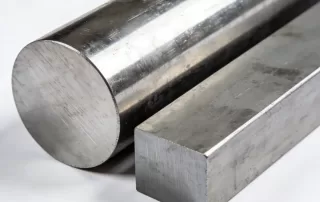
We Successfully Completed the 84-Ton 4140 Order for Our Indian Client
Discover how SHUNFU METAL successfully delivered 84 tons of API-compliant 4140 alloy steel bars to an Indian client, showcasing precision manufacturing & global supply capabilities
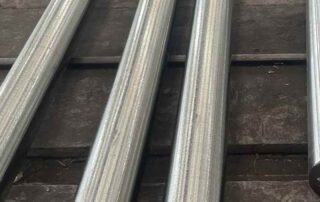
4130 vs 4140 Steel: Selection Guide for Heavy Equipment
Compare 4130 vs 4140 alloy steel for downhole tools. Learn carbon, weldability & quench response impacts. API Q1 & ISO certified. Request your technical specs.
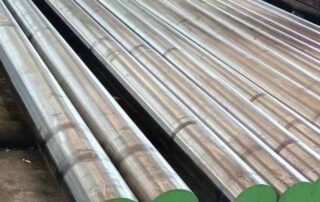
Hardness Range of 4140 Steel After Quenching and Tempering
Learn how quenching and tempering control 4140 steel hardness. Master optimal HRC ranges for shafts and tooling. API Q1 & ISO 9001 certified. Request specs.
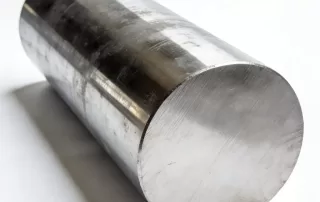
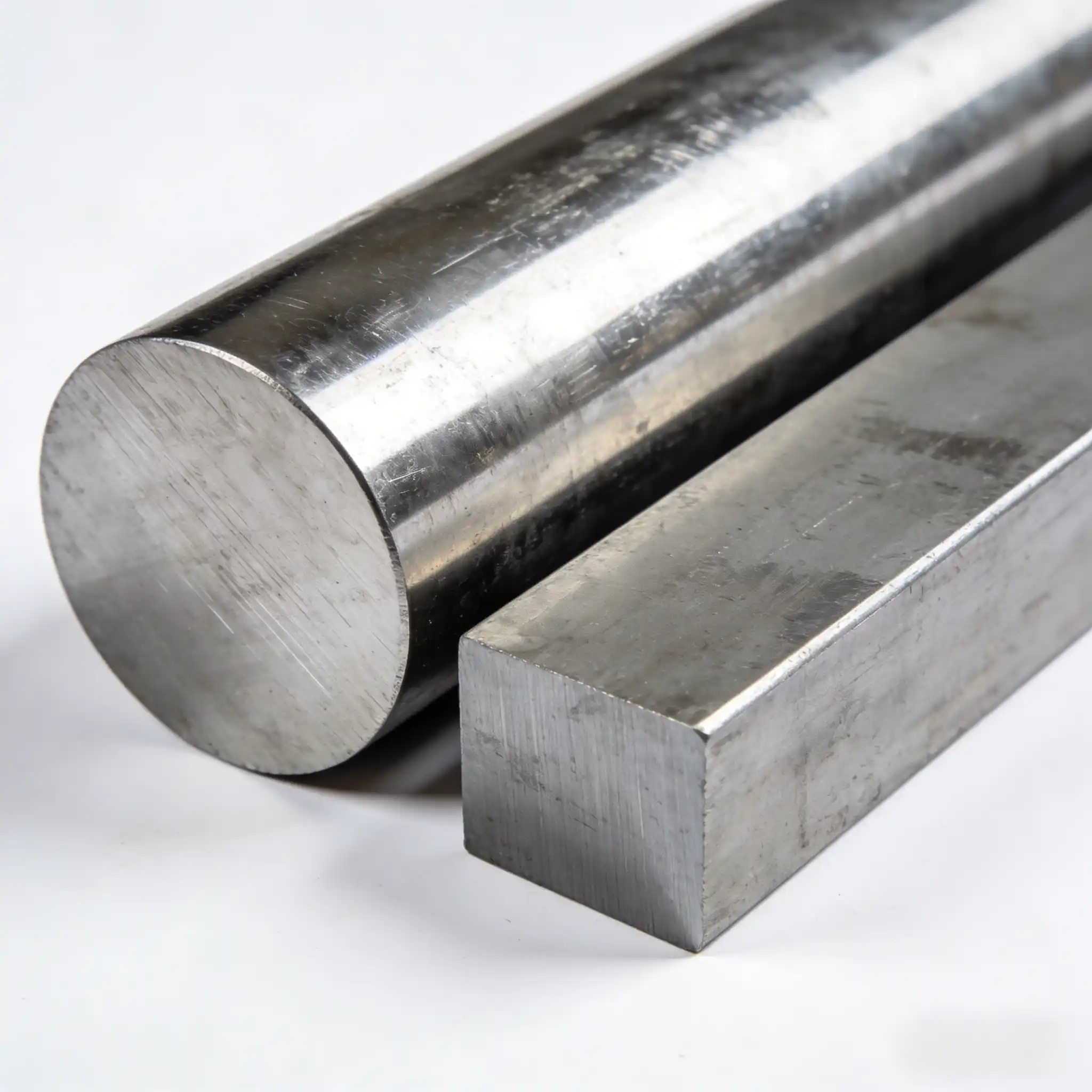
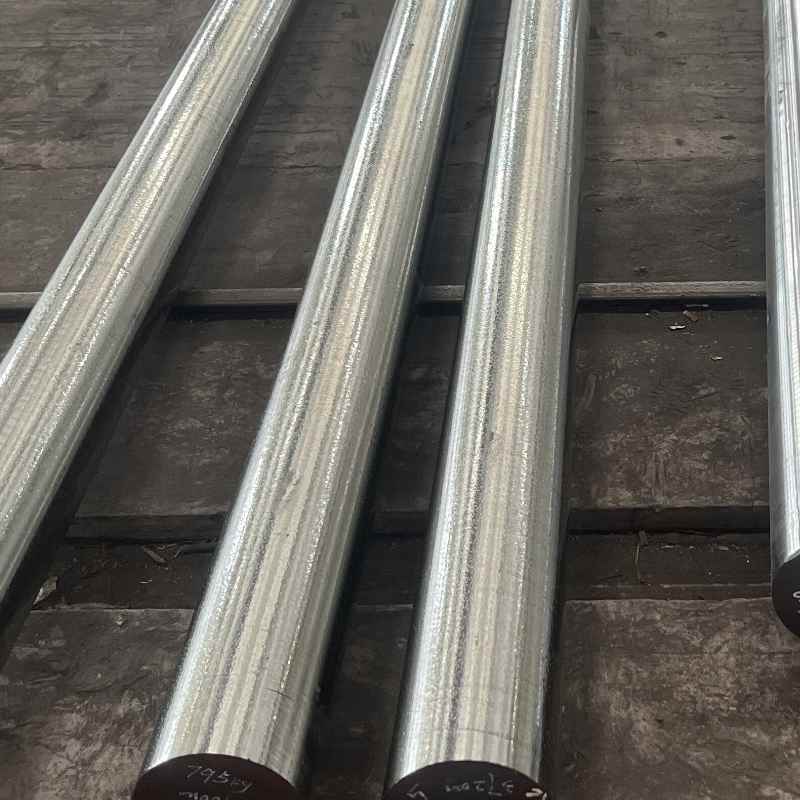

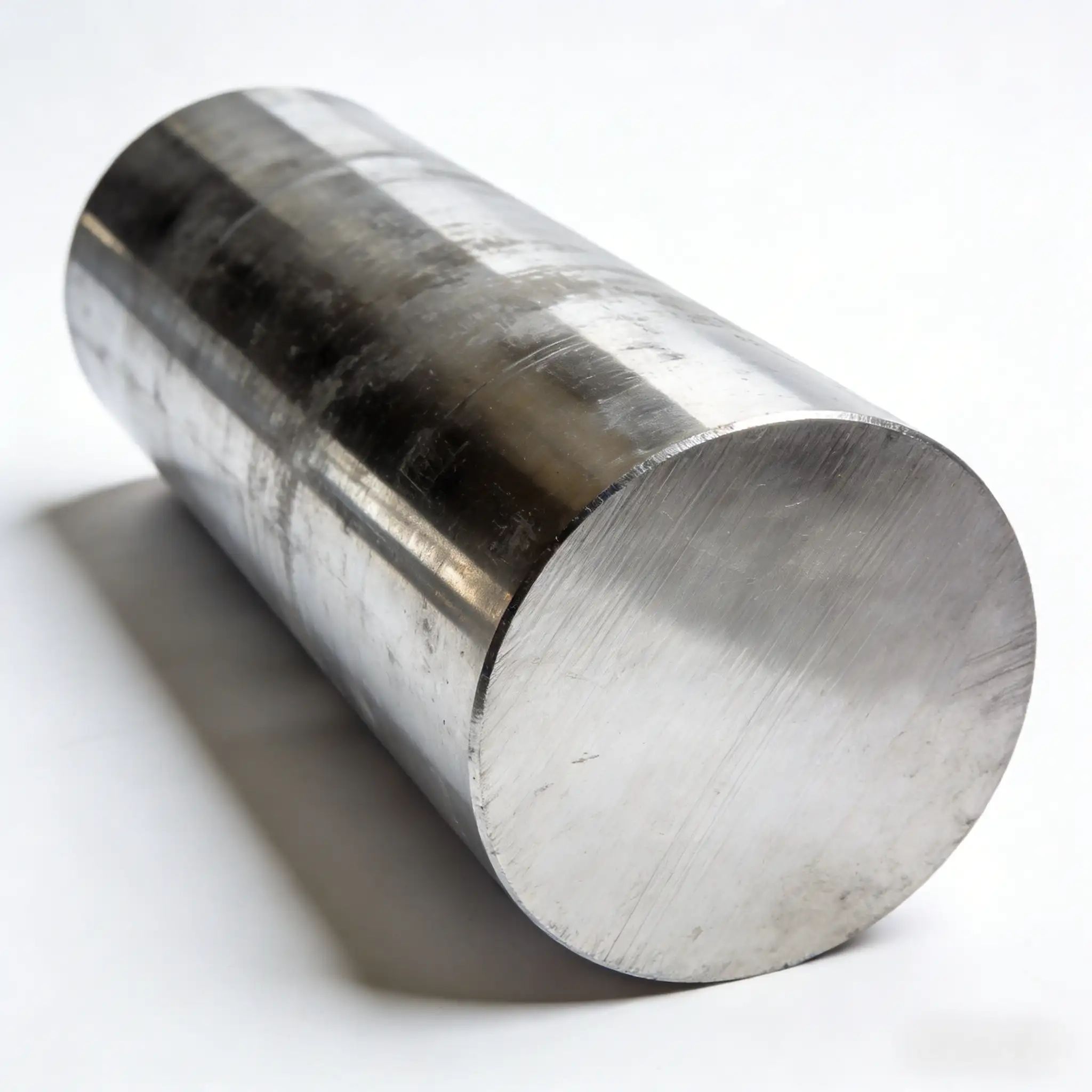
AISI 4140 Alloy Steel Specs, Heat Treatment & Applications
Explore AISI 4140 alloy steel chemistry, heat treatment limits, and welding guidelines. API Q1 & ISO 9001 certified by SHUNFU METAL. Request a technical review today
Hunan Shunfu Achieves API Spec Q1, 10th Edition Certification for Oil & Gas Steel Products
Hunan Shunfu Metal Material Co., Ltd. is proud to announce its registration to API Spec Q1, 10th Edition. This certification validates our quality management system for manufacturing steel pipes, bars, and forgings for the global oil and gas industry.