Why 4140 Alloy Steel Still Shows Up in My Material Takeoffs
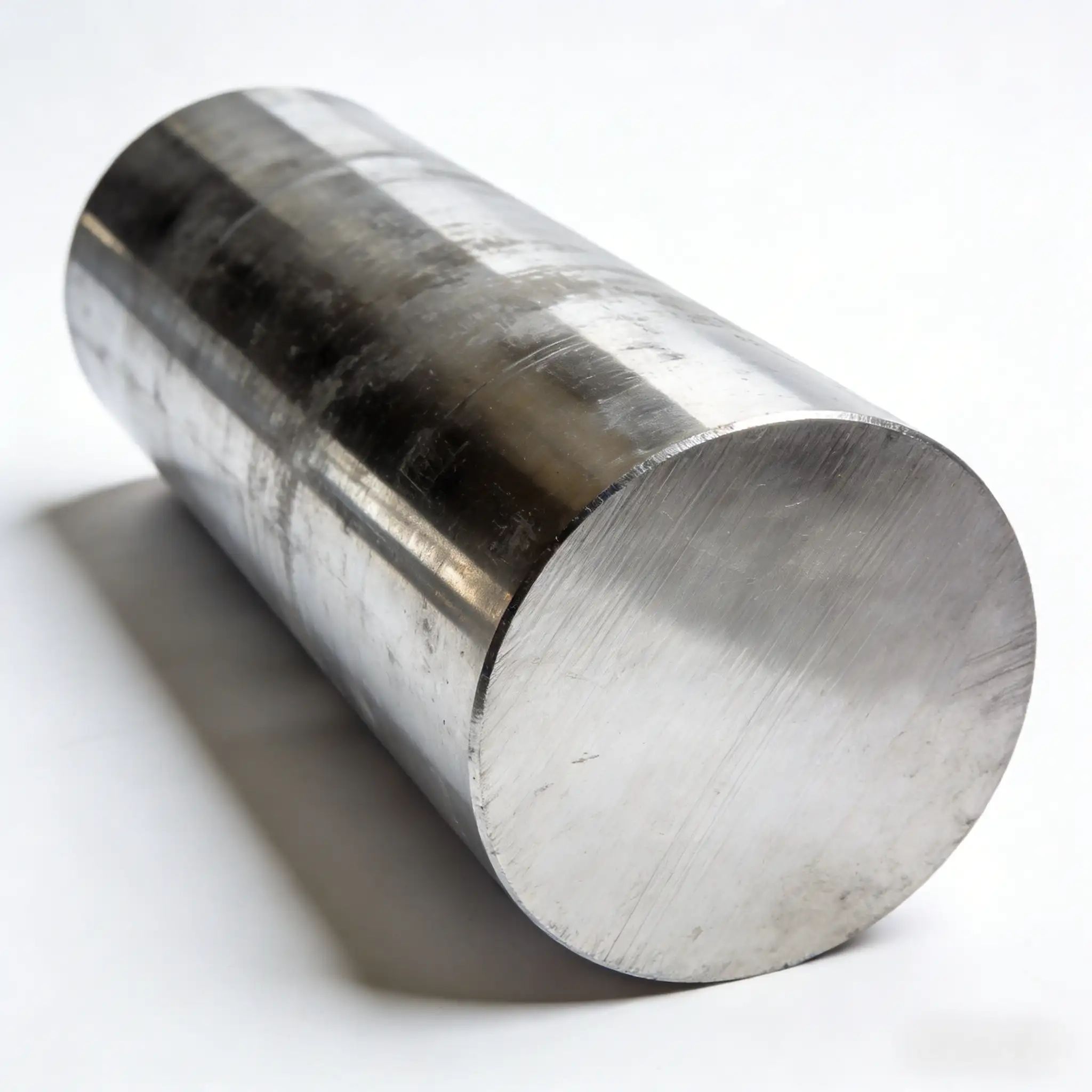
I still get emails asking whether AISI 4140 alloy steel is “good enough” for high-stress mechanical components. The answer depends entirely on what you are trying to hold together, and what environment it will see once it leaves the machine shop. I have pulled mill certs where a 4140 shaft failed at 60% of its design load because the temper cycle was rushed to meet a Friday shipment deadline. I have also seen the same grade run flawlessly in heavy pump drives and rotary table pins for five years straight. The difference is never the base chemistry. It is how the material gets handled from melt shop to final inspection.
Let’s be clear about what this grade actually does. It sits right between low-cost carbon steels and high-nickel specialty alloys. That middle ground is exactly why it survives on engineering drawings across mining frames, oilfield subs, and power transmission shafts. It does not win awards for exotic performance. It stays in rotation because it responds predictably to heat treatment and does not demand a dedicated metallurgy team for every fabrication run.
What the Mill Test Report Actually Tells You
The chemistry on a standard AISI 4140 specification is straightforward. You are looking at roughly 0.40% carbon, 1.0% chromium, and 0.20% molybdenum, with manganese holding steady around 0.90%. The carbon sets your baseline strength and hardenability ceiling. You cannot negotiate with it. Push it higher and the steel develops quench cracking. Drop it too low and you sacrifice the fatigue resistance needed for rotating parts.
| Element / Parameter | Target Range / Value |
|---|---|
| Carbon (C) | 0.38 – 0.43% |
| Chromium (Cr) | 0.80 – 1.10% |
| Molybdenum (Mo) | 0.15 – 0.25% |
| Manganese (Mn) | 0.75 – 1.00% |
| Tensile Strength (Q&T) | ≥ 1080 MPa |
| Yield Strength (Q&T) | ≥ 930 MPa |
Chromium slows down austenite transformation during cooling. That delay gives the quench front time to penetrate thicker sections, which means you get a uniform martensitic structure through the core instead of a soft ferritic center. Molybdenum works quietly in the background. It suppresses temper embrittlement when you cycle parts through the 900–1100°F window. I have reviewed batches where a supplier trimmed moly from the melt spec to save margin. The bars passed incoming UT. They developed intergranular fractures after three thermal cycles in service. We cut off the PO the next week. At SHUNFU METAL, we run full optical emission spectroscopy on every heat before it hits the continuous caster. We do not guess on chemistry limits, and our API Q1-certified facilities ensure every batch shipped globally meets exact compositional tolerances.
The Heat Treatment Trade-Offs (and the Welding Headache)
4140 responds well to quenching and tempering. The standard practice calls for austenitizing around 1550–1600°F, oil quenching, and tempering to match your target yield. Most engineers shoot for 140–165 ksi tensile and 120–135 ksi yield. That puts hardness in the 28–32 HRC range. You get a workable balance of static strength and Charpy impact energy.
The real friction starts when you need to join sections. This grade resists cold welding. The medium carbon content and the alloying elements create a hard, brittle zone immediately adjacent to the weld bead. If you lay down a pass without preheat, you are locking martensite into the heat-affected zone and trapping hydrogen. Cracks show up during cooling, not during field operation. I usually specify a preheat of 500–600°F and a post-weld stress relief at 1100–1200°F. It adds cost and schedule time. I tell procurement managers upfront: if your design requires heavy structural welding, review our API-compliant drill collar and tool joint solutions which are engineered with strict low-hydrogen fabrication controls. Fighting the metallurgy after fabrication always costs more.
Fatigue life in 4140 comes down to surface condition and internal cleanliness. Sulfide inclusions and oxygen stringers act as stress risers. For high-cycle applications, we grind fillet radii and control surface roughness to 16 µin or better. Shot peening adds compressive stress to the outer layer. Apply both controls, and you push endurance limits past typical design allowances.
Where It Holds Up in the Field (and Where You Should Walk Away)
This material appears regularly in transmission shafts, connecting rods, hydraulic piston rods, and non-sour wellhead components. It absorbs impact without permanent set. It machines cleanly in the annealed condition. Chip breaking stays consistent. Tool wear remains manageable. Machine shops keep it in stock for a reason. You do not fight it on the CNC floor.
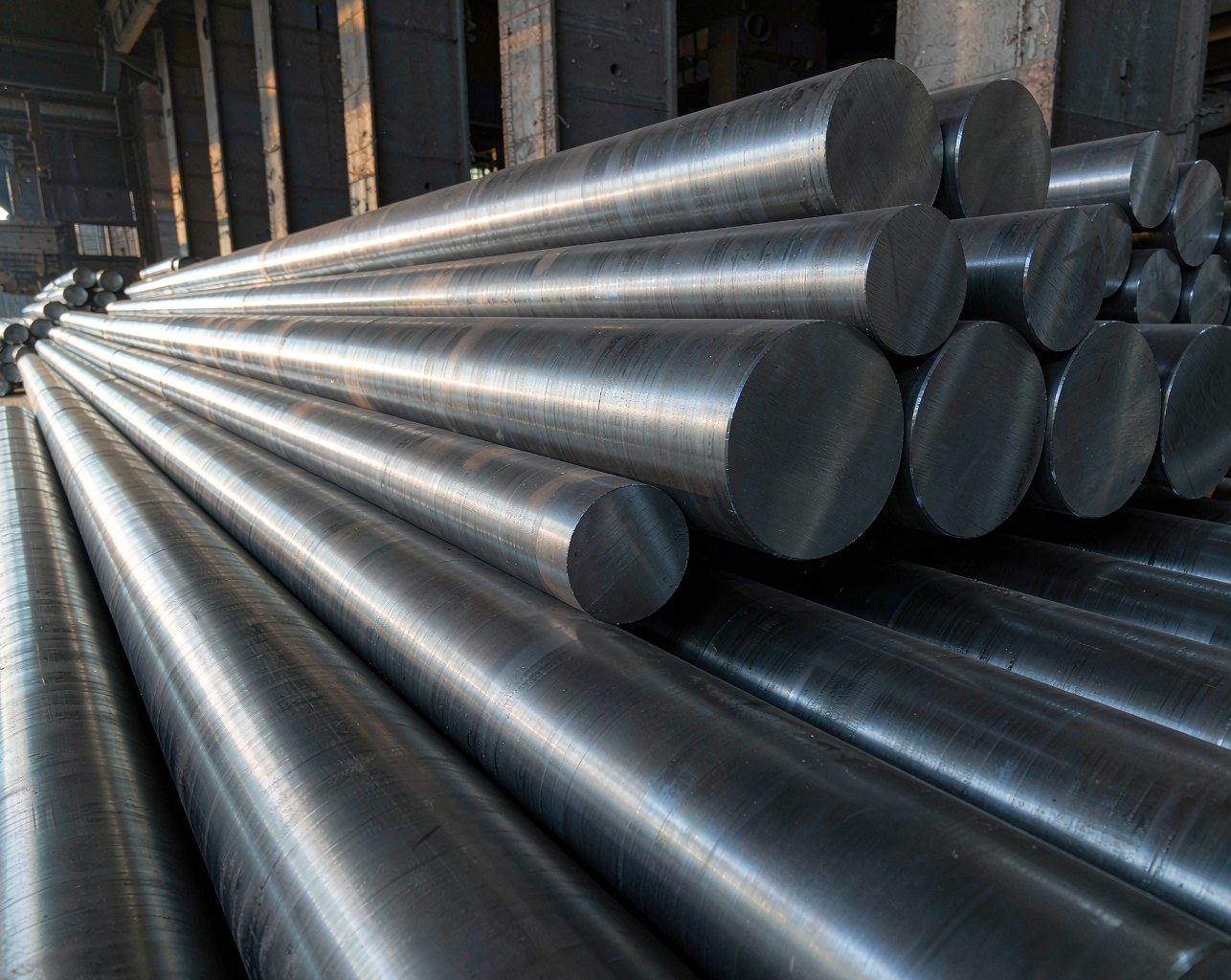
In oil and gas hardware, it works for mud pump shafts, gear blanks, and drill pipe tool joints. It does not belong in wet H2S service. Sulfide stress cracking will propagate quickly once partial pressure exceeds a few psi. If your well profile includes sour conditions, step up to 4145H MOD, 8630 M, or specify CRA-lined piping. I once reviewed a spec package where a procurement team swapped 4140 for 4330V on a standard land rig application. The 4330 required extended quenching times and higher tempering costs. It drove the unit price up 35 percent and offered no functional advantage for static loads. The original 4140 would have met API requirements and stayed within the mechanical budget. Material selection is about matching actual stress paths, not chasing the highest tensile number on a data sheet. Our AISI 4140 alloy steel bar product line delivers that exact balance without over-engineering.
Mining equipment relies on this grade for crusher main shafts, conveyor drive hubs, and track roller frames. The steel handles repeated impact and abrasive wear. You just need to verify the through-hardness matches the surface. Decarburization from slow furnace cooling or uncontrolled atmosphere leaves you with a soft outer layer. It looks fine on the mill report. It fails under the first week of loaded operation. Cross-section hardness testing every batch. Do not trust surface Rockwell readings alone. As an ISO 9001-registered manufacturer exporting to over 52 countries, we enforce mandatory core-to-surface hardness validation to guarantee consistent microstructure integrity across all heavy-duty mining components.
Machining Reality vs. Data Sheet Numbers
The annealed state is where 4140 earns its keep. Hardness sits around 18–22 HRC. Cutting forces drop. Surface finish improves. You can turn, mill, or drill without carbide breakdown. Once parts are heat-treated to 30 HRC, you shift to grinding for final dimensions. Attempting heavy roughing in the quenched and tempered state ruins tool life and introduces thermal distortion. Plan your machining sequence around the heat treatment cycle, not the other way around.
AISI 4140 alloy steel survives on spec sheets because it behaves. It hardens predictably. It machines without galling. It withstands impact when geometry and thermal cycles are controlled correctly. It fails when you ignore preheat, skip post-weld stress relief, or push it into corrosive environments it was never designed for. Material discipline beats guesswork every time.
If you are finalizing specs for shafts, pins, or mechanical tool joints and need to verify chemistry limits, Q&T parameters, or ultrasonic inspection levels, I keep the baseline data and production floor procedures on file. You can review our material specifications or request a grade-specific technical review via our global engineering portal. Send over your drawing, load requirements, and service conditions. We will confirm if 4140 fits your project, or what alternative grade you need before the first cut is made.