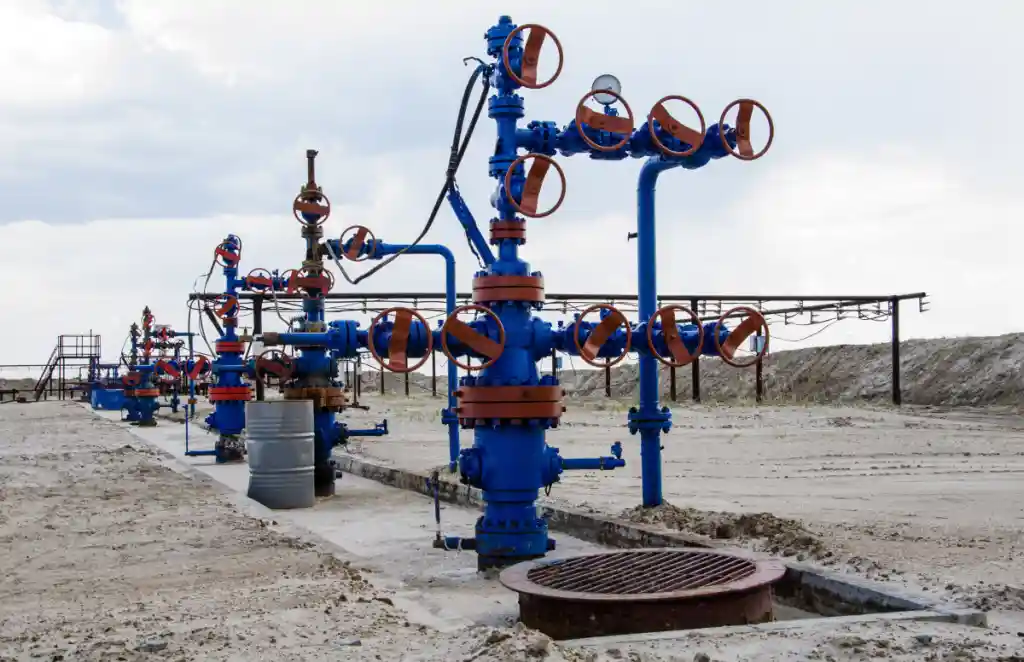
Christmas tree design requirements in the Middle East are, frankly, unlike anything you’d encounter in most other oil-producing regions. When a Gulf-based sovereign investment fund issued a wellhead procurement specification in 2025, the document ran to dozens of pages — covering material grade, intelligent diagnostics, inspection depth, field service commitments, and factory certification status. Together, those five areas define the full scope of christmas tree design requirements for operating in the Middle East’s high-end wellhead market. A Chinese manufacturer took on that order and delivered across all five. This article walks through each of those requirements in enough technical detail to be useful whether you’re drafting a spec sheet, evaluating a vendor, or simply trying to understand where the performance bar is set today.
Operating Conditions — Why Middle East Wellhead Specs Are So Stringent
Field engineers working in Gulf formations often describe the environment as “triple-high” — high temperature, high pressure, and high hydrogen sulfide (H₂S) concentration. In this specific project, the design envelope was 120°C at 105 MPa, with H₂S partial pressures high enough to trigger sulfide stress cracking (SSC) in ordinary carbon steel components. The christmas tree must maintain full functional integrity across a service life exceeding 20 years.
- Sulfide Stress Cracking (SSC)
- A hydrogen-induced cracking mechanism that affects high-strength steels under tensile stress in wet H₂S environments. Material selection requirements are governed by NACE MR0175 / ISO 15156.
- API 6A HH Material Class
- The highest H₂S service designation in API Specification 6A for wellhead and christmas tree equipment. All pressure-containing and pressure-controlling metallic parts must comply fully with NACE MR0175 at this class.
These background conditions are exactly what make christmas tree design requirements in this region so detailed. Standard catalog products — even technically compliant ones — are typically not acceptable to buyers at this specification level.
1. Christmas Tree Design Requirements for Material Grade and Sealing
The first group of christmas tree design requirements set the baseline for material and valve sealing performance. Three items were listed as non-negotiable in the specification:
- API 6A HH-grade material class — the highest H₂S service category in API Spec 6A, requiring full NACE MR0175 compliance across all wetted metallic parts
- ISO 14310 V0 qualification for all gate valves — zero measurable leakage, defined as less than
0.01 mL/minunder the standard test protocol - Gate valve operational life of ≥ 5,000 open/close cycles, against an industry baseline of approximately 3,000 cycles
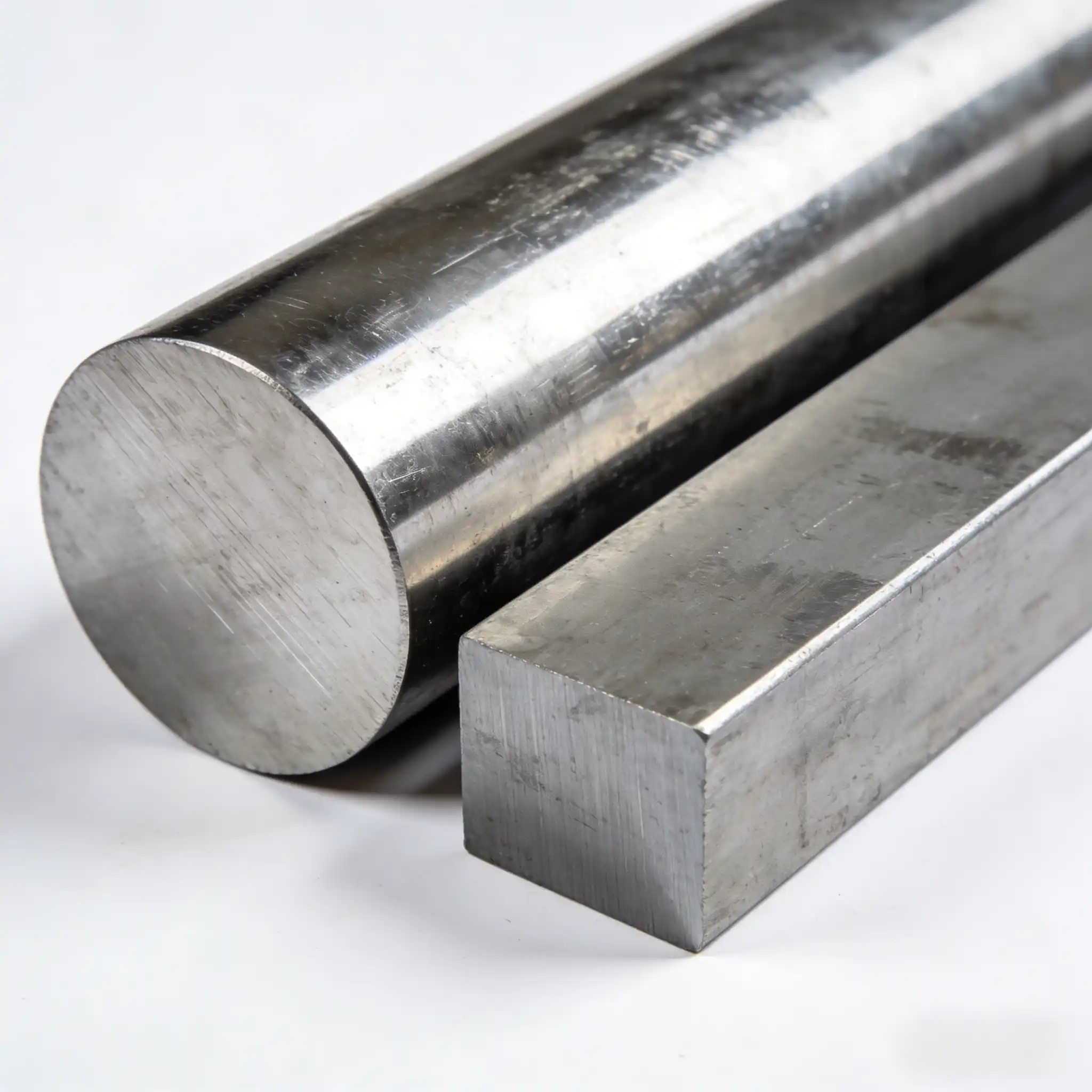
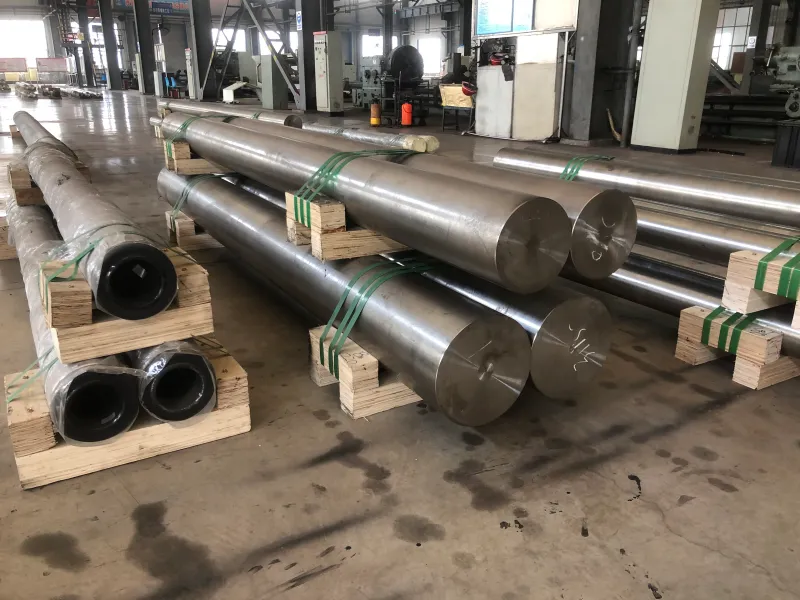
To reach the corrosion performance target, the manufacturer developed a bimetal overlay welding process. The valve body is machined from AISI 4130 alloy steel — known in Europe as 25CrMo4 (EN 1.7218) and in the Chinese GB system as 30CrMo. It’s a chromium-molybdenum grade valued for its combination of tensile strength and controlled weldability in heavy-wall geometries. On the internal wetted surfaces, a 3 mm cladding layer of Inconel 625 (UNS N06625) is applied by overlay welding. Inconel 625 is a nickel-chromium-molybdenum alloy with well-documented resistance to pitting corrosion, crevice attack, and SSC in sour-service environments.
Salt spray corrosion testing performed by the China Classification Society (CCS) confirmed a projected service life of 25 years — placing this product directly alongside wellhead assemblies from established international manufacturers. In our workshop experience, maintaining consistent 3 mm overlay thickness across the curved bores and port intersections of a valve body is genuinely difficult. Heat input and interpass temperature need tight control; even modest deviations change the dilution rate and alter alloy chemistry at the bond line.
2. Modular Architecture and Smart Monitoring — Meeting Christmas Tree Design Requirements
The second set of christmas tree design requirements focused on installation flexibility and real-time operational intelligence. The assembly had to support both onshore desert environments and potential subsea deployments, wich in practice means you cannot optimize the design for just one scenario.
The design response came in two parts. First, a modular quick-connect architecture using the integral connection profile defined in API SPEC 6A. This brought field installation time down from a typical 72 hours to approximately 8 hours — a meaningful reduction when Gulf rig-day costs run into six figures.
Second, an integrated condition monitoring system combining pressure and temperature sensors with real-time pressure transient analysis algorithms. The system provides up to 72 hours of advance warning before seal degradation becomes a failure event, with fault localization accuracy reported at 99%. The design team also applied digital twin simulation — 100,000 extreme-condition load cycles were run virtually before any physical prototype was built. That approach cut prototype validation cost by around 40%, which matters a lot when large-bore wellhead test facilities charge by the day.
3. Inspection Protocols Enforcing the Christmas Tree Design Requirements
The inspection section of the specification was unusual in its depth. Most of the criterias here go well beyond what standard factory acceptance testing normally covers.
- Full-coverage NDT: 100% weld inspection on every unit using both liquid penetrant testing (PT) and ultrasonic testing (UT) — not a sampling basis
- Hydrostatic proof pressure test: loading to 1.5× rated working pressure, held for a minimum of 30 minutes with no plastic deformation permitted
- Sandstorm simulation: fine particulate (
≤ 75 μm) injected at 40°C to verify dust-exclusion seal integrity under realistic desert operating conditions - 30-year sample traceability: retained material and test specimens stored for each delivered unit, accessible across the full design life of the equipment
These requirements drove adoption of T/1HBSEA 001-2024, a group standard from the Chinese petroleum equipment industry for periodic in-service inspection of wellhead christmas trees. Under this framework, equipment is classified by operating pressure into two risk levels:
| Risk Level | Operating Condition | Required Inspection Frequency |
|---|---|---|
| Level I | Wellhead oil pressure ≥ 70 MPa | Full inspection every 6 months (mandatory) |
| Level II | Lower-pressure applications | Extended intervals under risk-based assessment |
The sandstorm simulation test is the one most manufacturers skip. Physical validation under realistic desert dust loading at temperature is a significantly stronger commitment than documenting seal design choices on paper — and it tends to show up in long-term field performance data.
4. After-Sales Service: When Field Response Becomes Contractually Binding
The service clauses here were enforceable commitments, not aspirational language. The specification stated: fault response within 4 hours, global spare parts delivery within 48 hours. To meet both numbers, three systems were built.
- Satellite-linked remote operations center with real-time monitoring of all deployed units. Early-warning accuracy exceeds 90%, reducing unplanned emergency callouts significantly.
- Regional spare parts warehouses established in both the UAE and Saudi Arabia, carrying inventory valued at over 200 million yuan and covering critical sub-assemblies for every product variant in the fleet.
- AR-assisted remote repair capability, allowing remote technicians to guide on-site personnel through fault diagnosis and component replacement using augmented reality overlays.
One documented case from an active Middle East project site: a sandstorm caused a control system failure. Through AR-guided remote support, on-site personnel restored full production within 2 hours, avoiding an estimated $3 million per day in deferred output. Numbers like that make the upfront investment in service infrastructure hard to argue against.
5. Manufacturing Precision — Capacity and Consistency at Scale
Satisfying these christmas tree design requirements in prototype is one challenge. Delivering 500 units per year to the same standard is a different one. Three production upgrades made that annual volume possible.
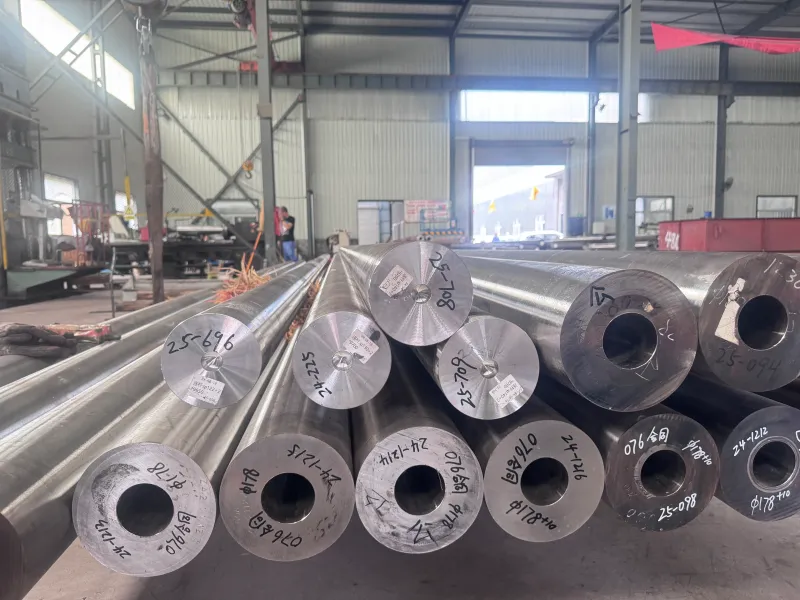
CNC machining precision: Five-axis mill-turn centers hold valve body tolerances to ±0.01 mm, with sealing face surface finish at Ra ≤ 0.8 μm. These numbers are routine in aerospace machining; sustaining them across large-bore, heavy-wall wellhead bodies at production volume requires disciplined fixturing and tooling change management.
AI-driven thread inspection: Machine-vision systems perform 26-parameter thread analysis against API Spec 5B in under 10 seconds per joint, replacing manual gauging that was both slower and subject to operator-to-operator variation.
Sustainability compliance: Waste heat recovery and zero liquid discharge (ZLD) processes reduced per-unit carbon footprint by 35%, earning a “Low Carbon Supplier” designation from UAE certification authorities. As Middle East operators advance their own decarbonization targets, supply chain sustainability credentials carry growing commercial weight in procurement decisions.
The facility holds a full API monogram set: API Q1 (quality management systems), API 16A (blowout preventer equipment), and API 6A (wellhead and christmas tree equipment).
Where Chinese Wellhead Equipment Stands Today
The five-area framework — material grade, smart design, inspection depth, service response, and manufacturing precision — reflects what high-end Middle East buyers actually demand today. Meeting API minimum standards is no longer sufficient on its own; operators want a complete, documented, and contractually enforceable package across all dimensions.
Chinese-made christmas trees have reached an estimated 15% share of the Middle East high-end wellhead market, and total oil and gas equipment exports from China have exceeded 100 billion yuan. That growth came from consistently meeting the kind of christmas tree design requirements described in this article — not through price competition alone.
“They don’t just ship products — they’re delivering a Chinese model of reliability.”
— One project manager at a major Middle East operating company
For a general technical overview of how production christmas trees function within well completion systems, the Wikipedia article on petroleum production christmas trees provides solid background context. For project-specific questions about wellhead specifications, material grades, or custom configurations, the technical team at SHUNFU METAL can be reached directly through the SHUNFU METAL contact page.