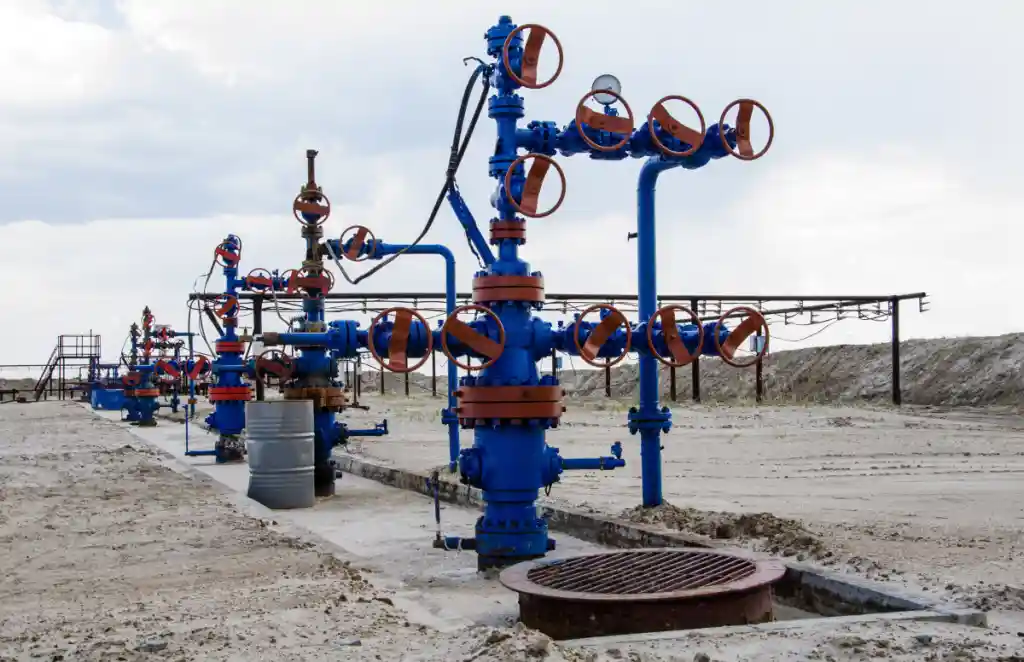
Corrosion has long been a hazard in the petrochemical industry. A slight negligence can damage equipment at best, or even cause accidents or disasters at worst. According to statistics, approximately 60% of damage to petrochemical equipment is caused by corrosion. Therefore, scientific considerations are paramount when selecting petrochemical equipment and materials. The following discusses key points in equipment material selection and protection, focusing on corrosion types in different environments.
01 High-Temperature Sulfur Corrosion
A high-temperature sulfide corrosion environment refers to a corrosive environment formed by sulfur, hydrogen sulfide, and mercaptans in heavy oil areas above 240°C. Typical high-temperature sulfide corrosion environments occur in the lower sections and bottom piping of the atmospheric and vacuum towers of distillation units, as well as in atmospheric heavy oil and vacuum residue heat exchangers. In hydrogen-containing units such as hydrocracking and hydrorefining, the presence of hydrogen accelerates hydrogen sulfide corrosion, creating a high-temperature hydrogen sulfide and hydrogen corrosion environment above 240°C. Typical examples include reactors in hydrocracking and hydrodesulfurization units, and the naphtha hydrorefining reactor in the feedstock refining section of catalytic reforming units.
Material Selection
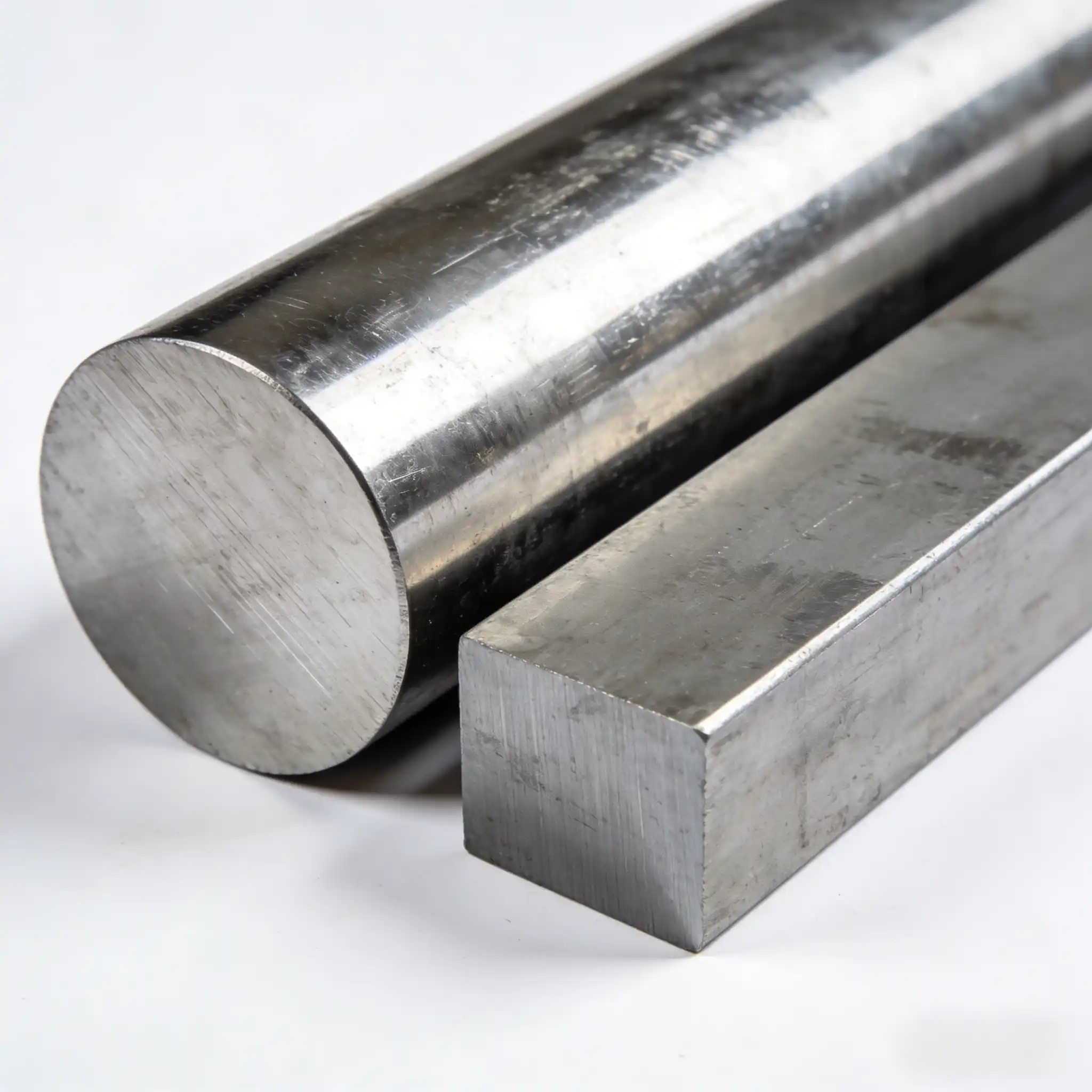
High-temperature sulfur corrosion is primarily addressed through material corrosion prevention. For high-temperature areas of the tower in refineries, composite plates of carbon steel and ferritic stainless steels such as 0Cr13 or 0Cr13Al can be used.
0Cr13 offers excellent corrosion resistance and a coefficient of expansion similar to that of carbon steel, making composite plates easy to manufacture. Tower internals can be made of 0Cr13 steel or aluminized carbon steel. Heat exchanger tube bundles can be made of aluminized carbon steel and 0Cr18Ni9Ti.
Carbon steel and 0Cr18Ni10Ti composite plates can also be used for the tower body. These composite plates offer superior resistance to sulfur corrosion and cyclohexane acid corrosion than 0Cr13 or 0Cr13Al, and offer excellent workability.
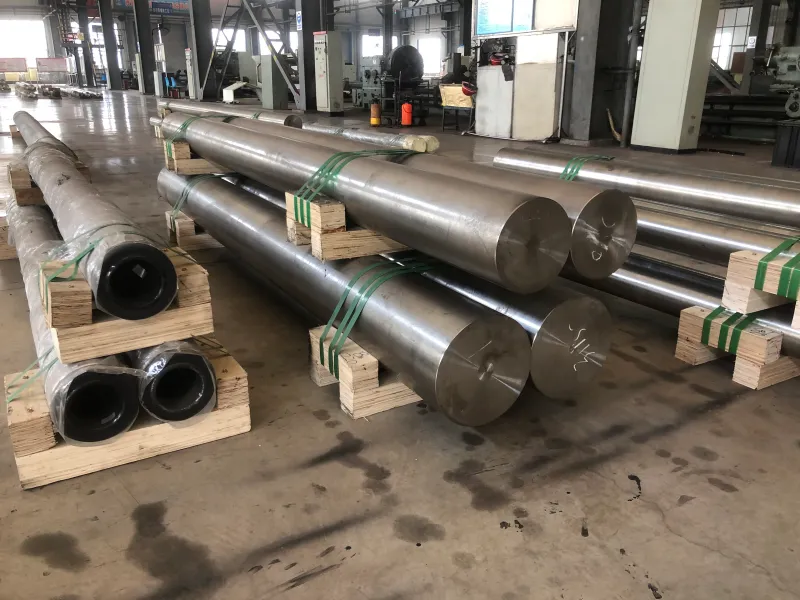
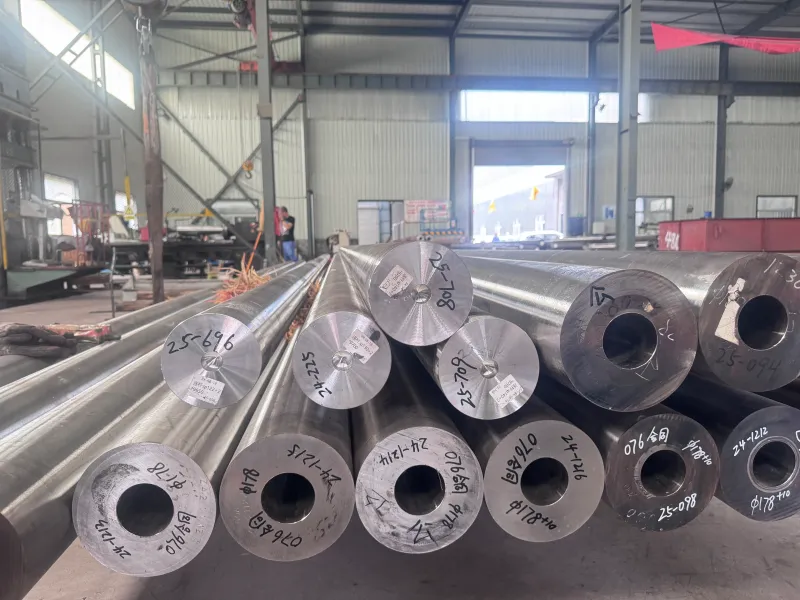
Cr5Mo is suitable for pipeline corrosion protection. 321 steel can be used for areas subject to severe sulfur corrosion, while 316L steel can be used for areas subject to severe erosion corrosion, such as transfer line elbows.
02 Low-Temperature Sulfur Corrosion
The sulfur present in crude oil and organic sulfides, which gradually decompose under different conditions to produce low-molecular-weight active sulfur species such as hydrogen sulfide, combine with corrosive media generated during crude oil processing (such as hydrogen chloride, ammonia, and carbon dioxide) and artificially added corrosive media (such as ethanolamine and furfural) to create a corrosive environment, causing severe corrosion in low-temperature parts of the equipment (particularly at the gas-liquid phase transition zone). Typical examples include the hydrogen chloride, hydrogen sulfide, and water corrosion environment at the top of the normal and vacuum towers of distillation units; the hydrogen cyanide, hydrogen sulfide, and water corrosion environment at the top of the fractionation tower of a catalytic cracking unit; the hydrogen sulfide, ammonia, and water corrosion environment in the effluent air coolers of hydrocracking and hydrorefining units; and the ethanolamine, carbon dioxide, hydrogen sulfide, and water corrosion environment in the regeneration tower and gas absorption tower of a dry gas desulfurization unit.
Material Selection
The following briefly explains the selection and corrosion protection of equipment materials in a corrosive environment composed of hydrogen cyanide, hydrogen sulfide, and water. Sulfides in the catalytic feed oil react to produce hydrogen sulfide under catalytic cracking reaction conditions, resulting in high concentrations of hydrogen sulfide in the catalytic rich gas. Under catalytic cracking reaction conditions, approximately 10%-15% of the nitrogen compounds in the feedstock are converted into NH₄⁺, and 1%-2% into HCN. Under the conditions of the absorption and stabilization system (40-50°C) and the presence of water, this creates a corrosive environment of HCN, H₂S, and H₂O. The corrosion-resistant material selection for the absorption and stabilization system of a catalytic cracking unit is crucial due to the presence of a wet hydrogen sulfide environment and the significant increase in stress corrosion cracking susceptibility in the presence of H₂S. Therefore, carbon steel is currently the primary material used in the absorption and stabilization system, requiring careful post-weld heat treatment. 0Cr13 composite steel plates are used for the tower body. Adding a certain amount of imidazoline corrosion inhibitor to the catalytic cracking absorption and stabilization system can achieve effective corrosion protection.
03 High-Temperature Hydrogen Corrosion
High-temperature hydrogen corrosion occurs when hydrogen diffuses and penetrates steel under high-temperature and high-pressure conditions, chemically reacting with unstable carbides to form methane bubbles (which involve the nucleation and growth of methane), i.e., Fe₃C + 2H₂ → CH₄ + 3Fe. These bubbles accumulate in intergranular vacancies and non-metallic inclusions, causing a decrease and degradation in the steel’s strength, ductility, and toughness, accompanied by intergranular fracture.
Because this embrittlement is the result of a chemical reaction, it is irreversible and is also known as permanent embrittlement.
High-temperature hydrogen corrosion occurs in two forms: surface decarburization and internal decarburization.
Material Selection
Preventing high-temperature hydrogen corrosion in high-temperature, high-pressure hydrogen environments primarily involves selecting materials resistant to high-temperature hydrogen corrosion. Engineering design decisions are based on what was formerly known as the “Nelson curve.” This curve was originally developed in 1949 by G. A. Nelson based on empirical data collected by the API and subsequently proposed by the API. From 1949 to the present, based on many laboratory test data and some actual production cases in which materials that were considered safe in the Nelson curve at the time suffered hydrogen corrosion damage after being used in a hydrogen environment, the curve has been revised many times. The latest version is API RP941 (5th Edition) “Steel for High-Temperature and High-Pressure Hydrogen Service in Refineries and Petrochemical Plants”.
04 Corrosion of Storage Tank Systems
Storage tanks commonly used in petrochemical plants are subject to varying degrees of corrosion due to the presence of corrosive media such as organic acids, inorganic salts, sulfides, and microorganisms in the stored materials. As the properties of the stored materials deteriorate, corrosion becomes more severe, so necessary protective measures must be taken.
Three areas of the tank should be of particular concern for corrosion protection: the inner wall of the tank roof, the inner wall of the tank floor, and the outer wall.
Material Selection
A common method for protecting the inner floor of a tank is to use a combination of coating and high-efficiency aluminum sacrificial anodes. The coating should be non-conductive (preferably epoxy or polyurethane) with a thickness of at least 120 μm. High-efficiency aluminum sacrificial anodes should be installed as designed, and welds should be re-coated with an anti-corrosion coating.
Other areas within the tank should be treated with anti-static coatings, epoxy chlorosulfonated polyethylene anti-static coatings, polyurethane anti-static coatings, etc. Before coating is applied, the surface needs to be cleaned first, and then sandblasted to remove rust. The sandblasting and rust removal must meet the Sa2.5 level requirements in GB 8923-88 “Surface Rust Grade and Rust Removal Grade of Steel Materials Before Painting”.
05 Corrosion in Circulating Water Systems
Some heavy metal ions, such as copper, silver, and lead, are harmful to steel, aluminum, magnesium, and zinc. Fe₃⁺ is highly corrosive in acidic solutions. Circulating water often contains insoluble matter such as dirt, sand, welding slag, hemp fibers, and corrosion products. Some of these substances enter from the air, some are introduced during installation, and some are generated during operation. These insoluble substances can easily deposit in stagnant areas, causing under-scale corrosion. Furthermore, they impact pipe walls with the water flow, causing wear and corrosion on metals or alloys with lower hardness (such as copper pipes).
Material Selection
To prevent this physical corrosion, protective shields can be installed around critical equipment to prevent unnecessary wear and tear during long-term operation. Importantly, baffles should be made of impact-resistant materials to ensure long-term performance.
In addition, in open-circulating cooling water systems, biochemical treatment of cooling towers can introduce large amounts of black sludge. Sludge will clog the cooling tower packing and adhere to the inner wall of the copper tube of the condenser, reducing the heat exchange efficiency of the condenser and causing corrosion of the tube wall under the sludge. To prevent this phenomenon from happening, a bypass device can be added to the equipment. Source: Instrument Circle
Conclusion
Corrosion poses a serious threat to the safety, efficiency, and longevity of equipment in the petrochemical industry. Each operating environment, whether high-temperature sulfur corrosion, low-temperature acidic corrosion, hydrogen embrittlement, or water system erosion, demands specific materials and protective measures. Scientific material selection, combined with proper anti-corrosion coatings, heat treatments, and structural reinforcements, plays a vital role in mitigating corrosion-related damage. Implementing these tailored strategies not only enhances operational reliability but also significantly reduces downtime and maintenance costs across petrochemical facilities.