
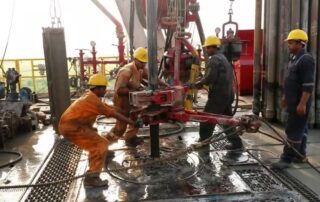
Maintenance and use of drill pipe
Abstract: Drill pipe damage primarily manifests as grooves and scratches on the joint shoulder, as well as corrosion and erosion of the pipe body. This article analyzes the causes of drill pipe damage and maintenance methods
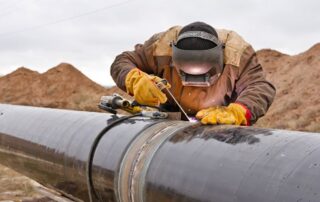
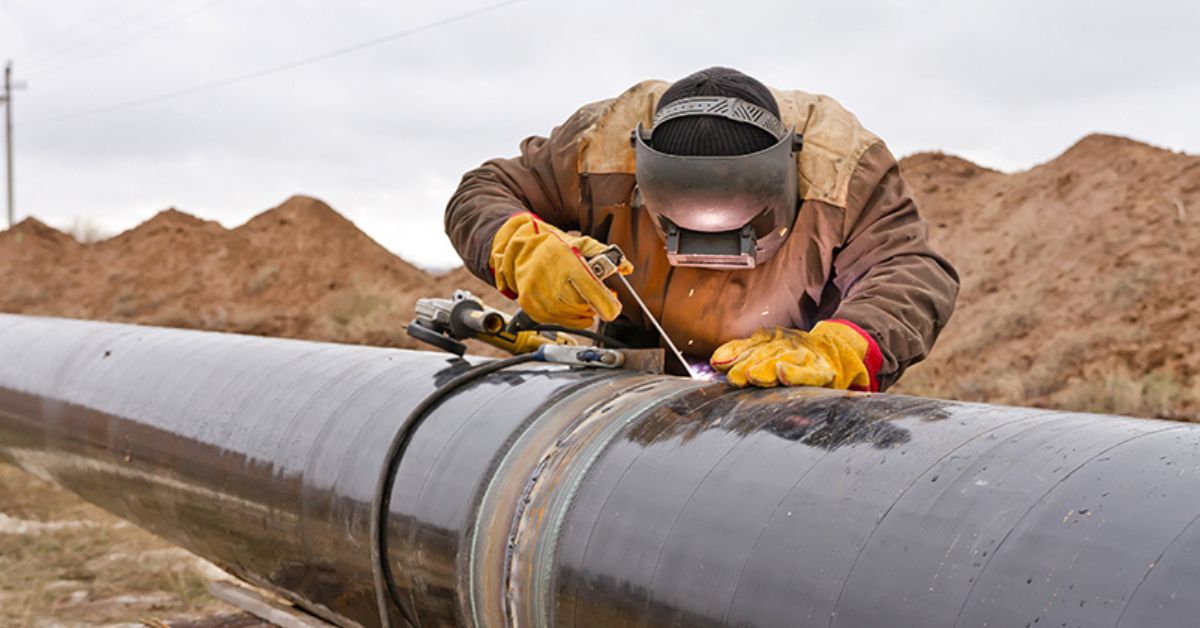
Sharing some issues on post-weld heat treatment of pipelines
Post-weld heat treatment (PWHT) of pipelines usually refers to heat treatment below the metal's phase transition point, which is also commonly referred to as stress relief. The main functions of post-weld heat treatment are to release
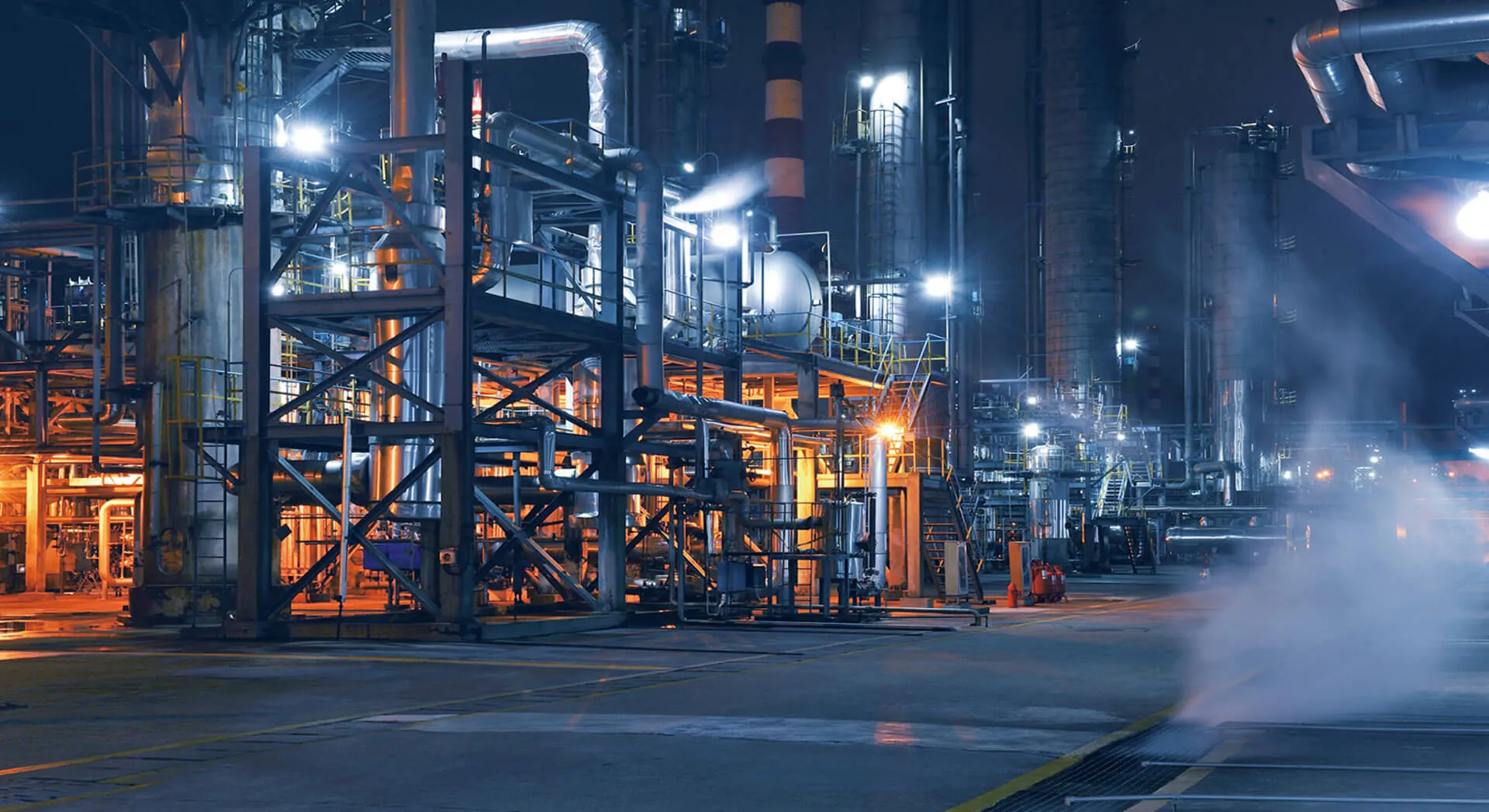
Present Use and Future Potential of Steel in Oil & Petrochemical Industries
Oil and natural gas are national strategic reserves. As oil and gas field exploration and production gradually shift to deepwater offshore, deep terrestrial formations, and unconventional replacement resource development, the demand for high-end special steels for

Material selection for corrosion types in different environments in the petrochemical industry
Corrosion has long been a hazard in the petrochemical industry. A slight negligence can damage equipment at best, or even cause accidents or disasters at worst. According to statistics, approximately 60% of damage to petrochemical equipment

Advantages of Cryogenic Treatment in Marine and Oil & Gas Applications
Cryogenic treatment of metals significantly reduces wear and corrosion in marine components, resulting in reduced maintenance, reduced replacement costs, and extended service life. However, this technology has been slow to develop since World War II and

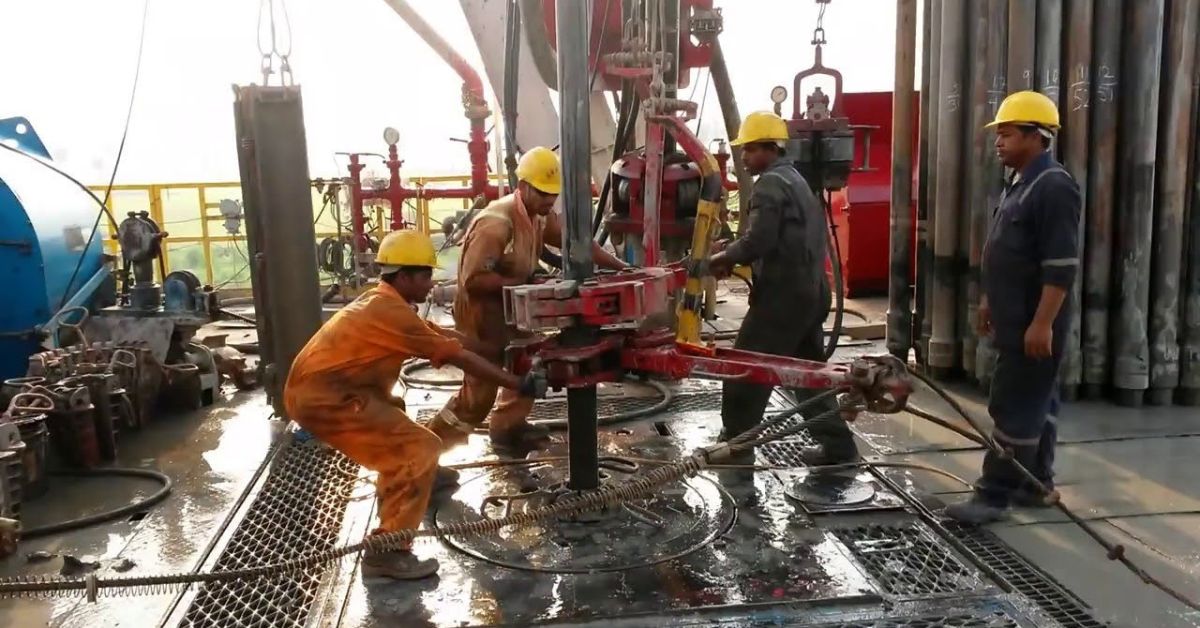



How Quenching Temperature Affects Cr-Mo Steel Properties
The pipe body material of oil drill pipe is generally low-carbon chromium-molybdenum alloy steel. During drilling operations, the drill pipe is often subjected to complex loads such as tension, bending, torsion, impact, and collision. The service