China Successfully Conducts First Full-Scale High-Pressure Hydrogen Pipeline Jet Fire Tests
Xinjiang, China
China National Pipeline Group, in collaboration with the China Academy of Safety Science & Technology, successfully completed the country’s first full-scale high-pressure pure hydrogen pipeline jet fire testing series at the Pipeline Fracture Control Test Site in Hami, Xinjiang, marking a significant breakthrough in hydrogen pipeline safety research.
Testing Objectives and Technical Specifications
The comprehensive testing program aimed to acquire critical data on flame characteristics and thermal radiation impact zones following hydrogen leakage incidents. The research focused on determining thermal radiation damage thresholds and establishing safe protection distances for hydrogen pipeline operations.
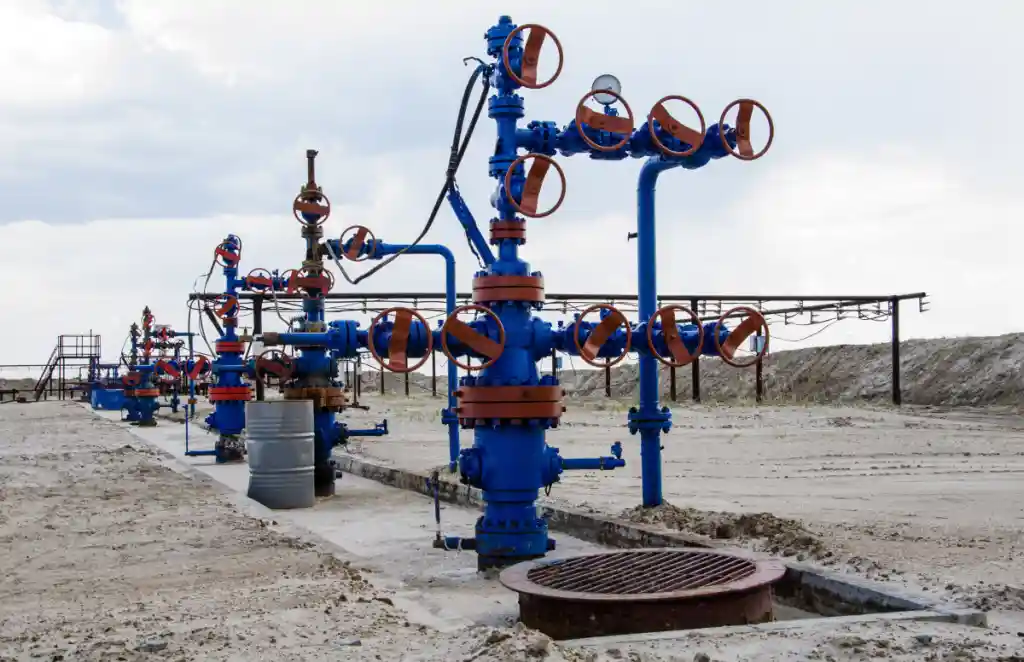
The testing platform comprised a hydrogen main pipeline with 12,000 cubic meters of hydrogen storage capacity, jet fire branch pipes, ignition systems, and data acquisition systems. This infrastructure configuration enables sustained leakage monitoring and jet fire testing under various operational conditions, providing researchers with comprehensive data collection capabilities for hydrogen pipeline safety analysis.
Comprehensive Testing Program Details
The testing program, conducted from November 11 through early December, encompassed 33 distinct test scenarios across multiple parameters. Researchers examined four leakage aperture sizes: 5mm, 10mm, 25mm, and 50mm, representing various potential failure modes in hydrogen pipeline systems. The testing incorporated three jet directions – horizontal, 45-degree inclined, and vertical orientations – to simulate realistic leakage scenarios.
Three pressure levels were evaluated: 3.4 MPa, 6.3 MPa, and 10 MPa, representing operational pressures typical in high-pressure hydrogen transportation systems. The jet fire branch pipes were positioned at the 12 o’clock position on the main pipeline to replicate actual hydrogen pipeline leakage conditions. Professional-grade flame-throwing drones and remote high-pressure electronic ignition devices executed ignition procedures, ensuring comprehensive data acquisition while maintaining operational safety standards.
Advanced Instrumentation and Data Collection
The research team deployed sophisticated measurement equipment around leakage points, including thermal radiation meters, pressure and temperature sensors, thermocouples, and high-speed cameras. This instrumentation array enabled real-time capture of flame characteristics and thermal hazard ranges during hydrogen pipeline jet fire events.
Preliminary analysis indicates that the acquired data demonstrates completeness and validity, providing essential information for determining safety clearances for pure hydrogen pipelines. The comprehensive dataset will serve as a foundation for developing evidence-based safety protocols in hydrogen infrastructure development.
World-Class Testing Facility Capabilities
The Pipeline Fracture Control Test Site operated by China National Pipeline Group represents the world’s third and Asia’s only full-scale pipeline burst testing platform. This facility provides unique technical capabilities for full-scale burst testing of high-grade steel, large-diameter, multi-medium pipelines, positioning it as China’s premier pipeline testing infrastructure.
The facility has previously conducted five full-scale gas burst tests involving 1219/1422mm diameter pipelines with X80/X90 steel grades at 12/13.3 MPa pressures. Additional testing programs included three low-temperature crack initiation and arrest tests, plus three natural gas pipeline leakage and jet fire tests, establishing comprehensive technical foundations for long-distance pipeline construction and multi-medium pipeline standard development.
Industry Impact and Future Applications
China National Pipeline Group plans to utilize the testing data to optimize thermal radiation assessment models for hydrogen pipeline leakage jet fires. This research will contribute to establishing China’s hydrogen pipeline safety standard system, supporting large-scale safe hydrogen transportation for the hydrogen energy industry.
The successful completion of these tests represents a crucial milestone in China’s energy structure transformation under carbon neutrality goals. The research provides essential technical support for developing hydrogen infrastructure safety protocols, enabling the expansion of hydrogen energy systems while maintaining stringent safety standards.
Technical Significance for Hydrogen Energy Development
The testing results address critical knowledge gaps in hydrogen pipeline safety engineering, particularly regarding thermal radiation effects from high-pressure hydrogen releases. Understanding these phenomena is essential for developing appropriate separation distances between hydrogen pipelines and adjacent infrastructure, residential areas, and industrial facilities.
The comprehensive nature of the testing program, covering multiple pressure levels, aperture sizes, and jet orientations, provides industry stakeholders with robust data for safety analysis and regulatory development. This research foundation supports the broader deployment of hydrogen transportation infrastructure, contributing to China’s transition toward cleaner energy systems and carbon emission reduction objectives.